Origin
Why it is called a tennis bracelet
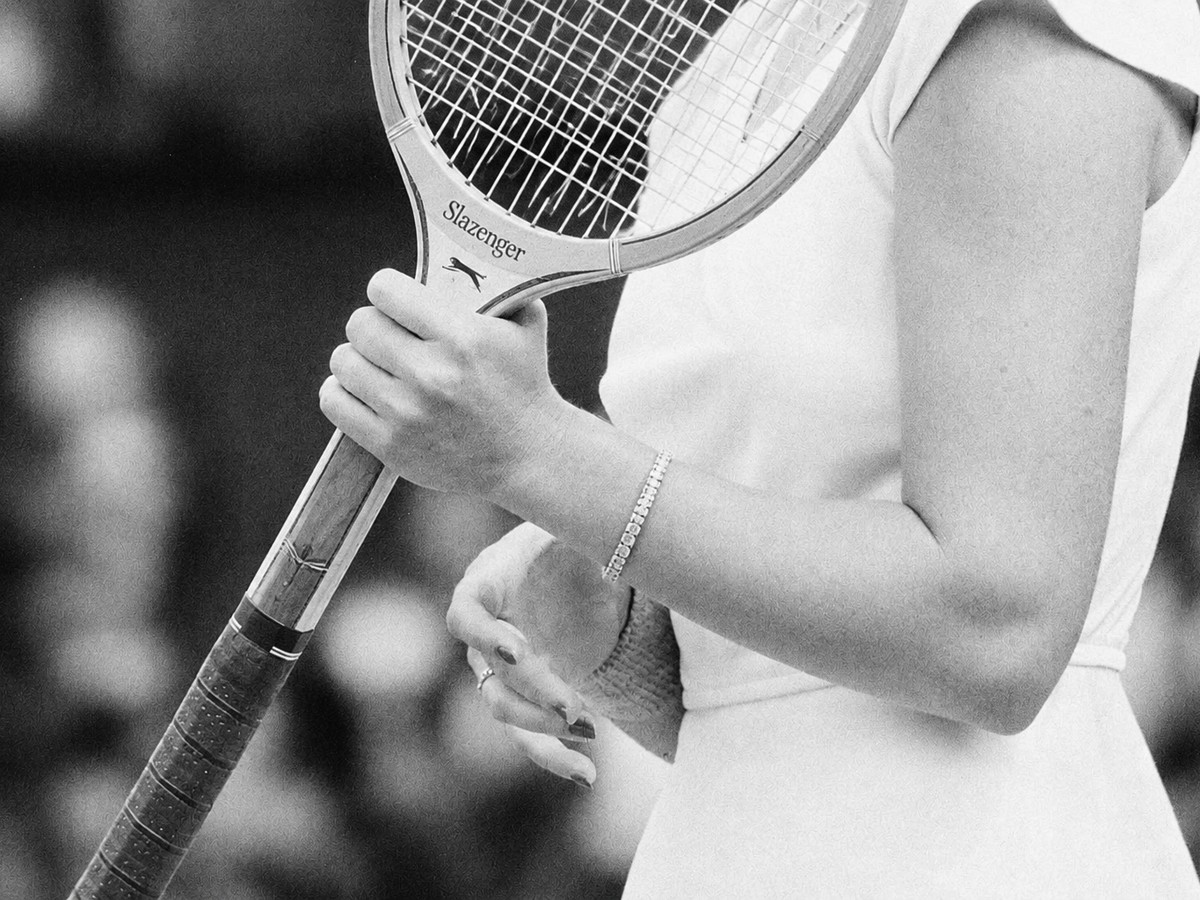
At the US Open, Chris Evert's diamond line broke off her wrist. She had the match paused until every stone was found. The form has carried her name ever since. An unbroken line of brilliants, as supple as a chain, put on in the morning and never taken off at night. The oldest argument for a piece of jewellery is still the best one: you forget you are wearing it.
Configurator
Your bracelet
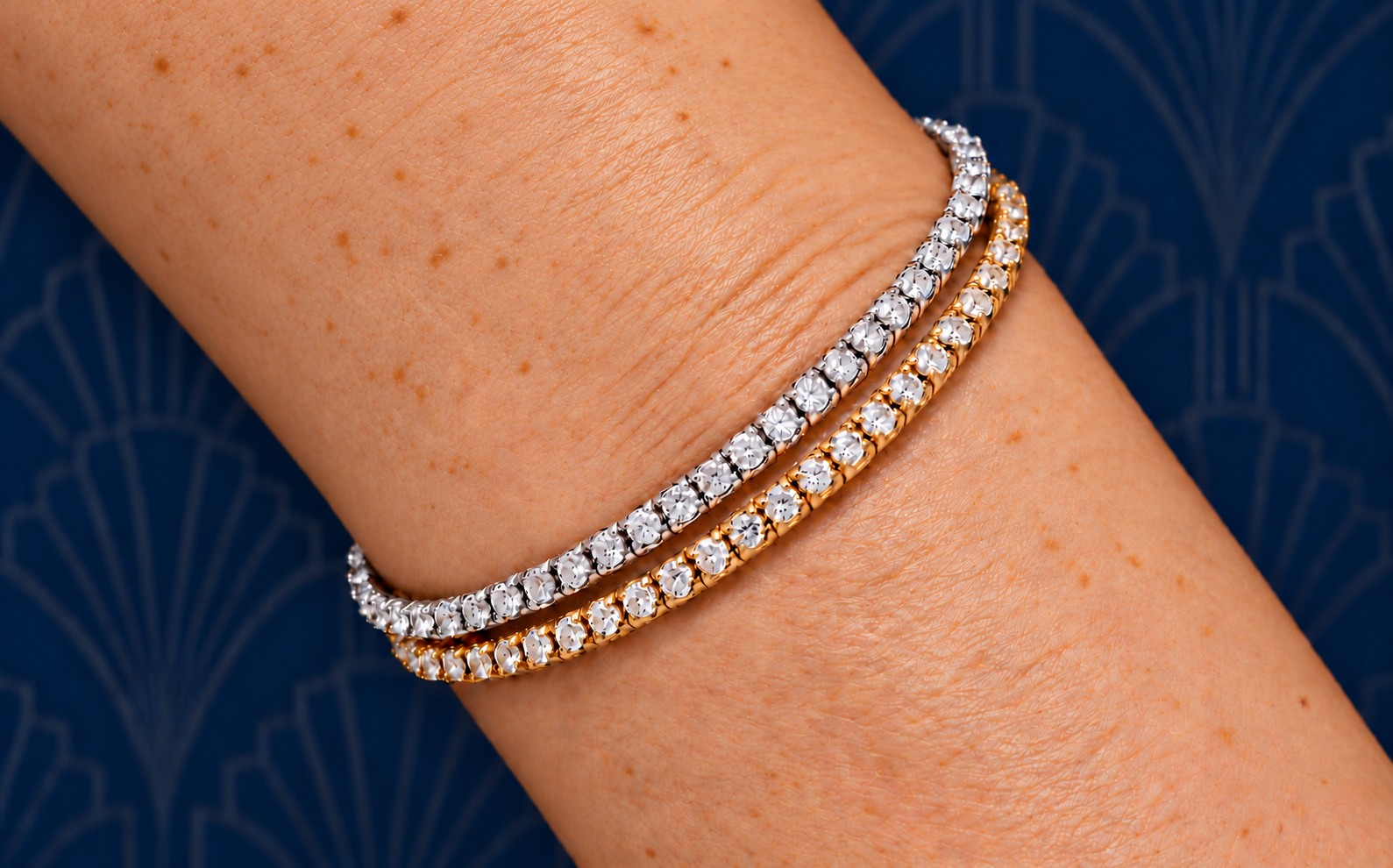
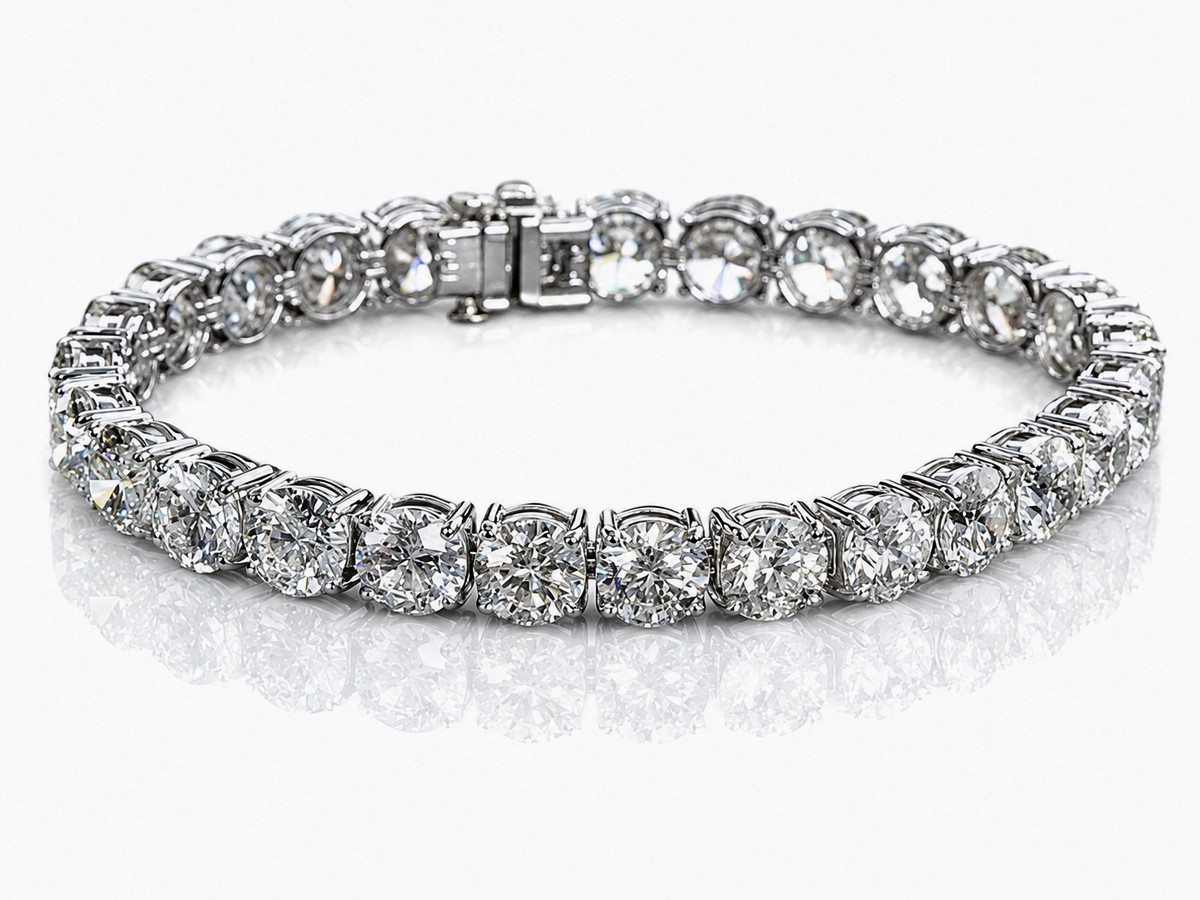
Carat, quality, setting and metal can be put together here. The image shows the real difference in size on the wrist — the metal colour is shown on the two settings below.
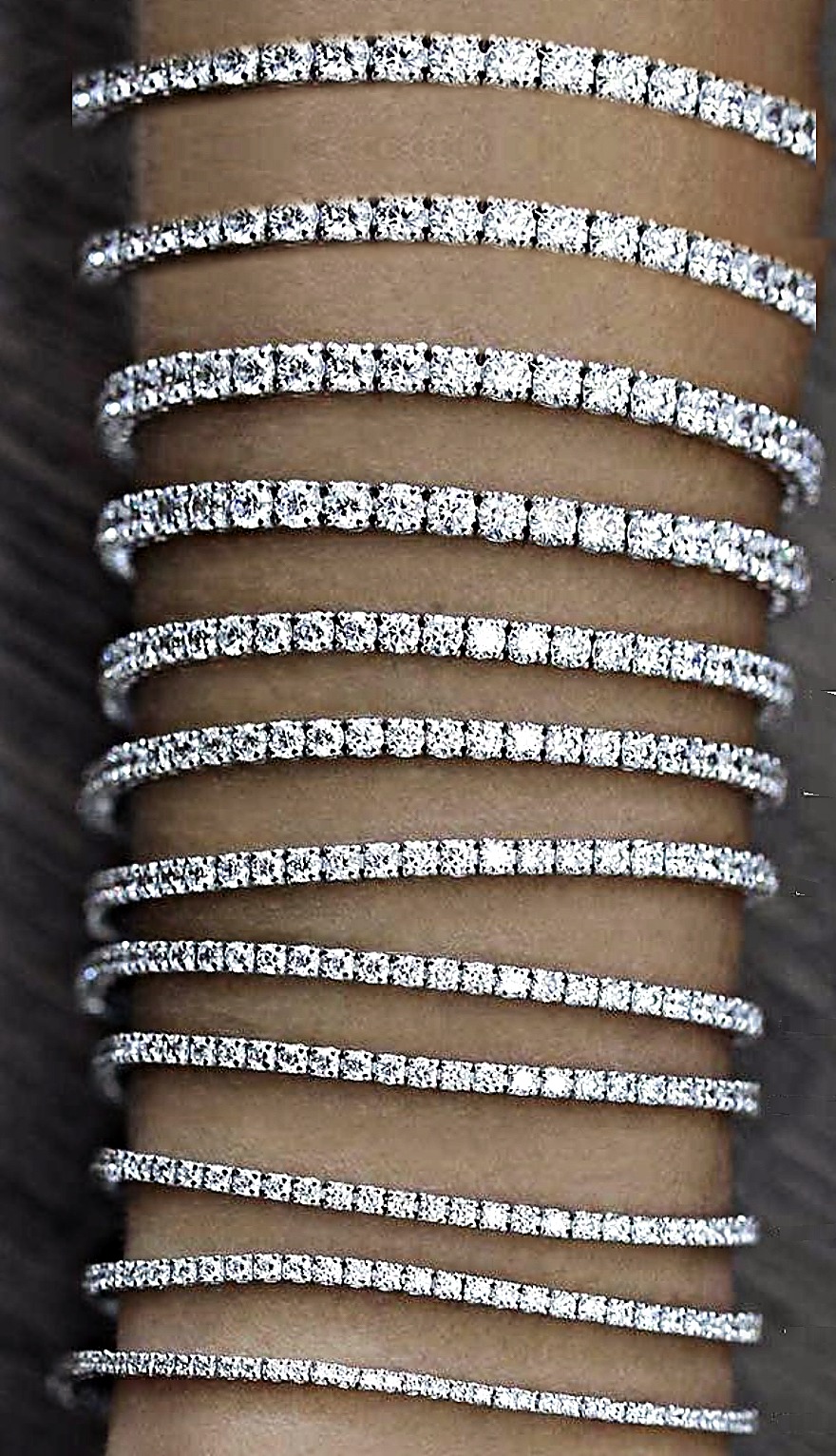
F–G · VS1–VS2 The standard for good houses: clear white, hard to fault under the loupe. This is the best ratio of presence to price, and where most of my clients end up.
- Stones
- 52
- Diameter per stone
- 3.32 mm
- Total carat
- 7.28 ct
- Metal
- White gold 18ct
- 18 kt gold
- 16.9 g
- Length
- 17.5 cm
One stone, at the scale of the photograph
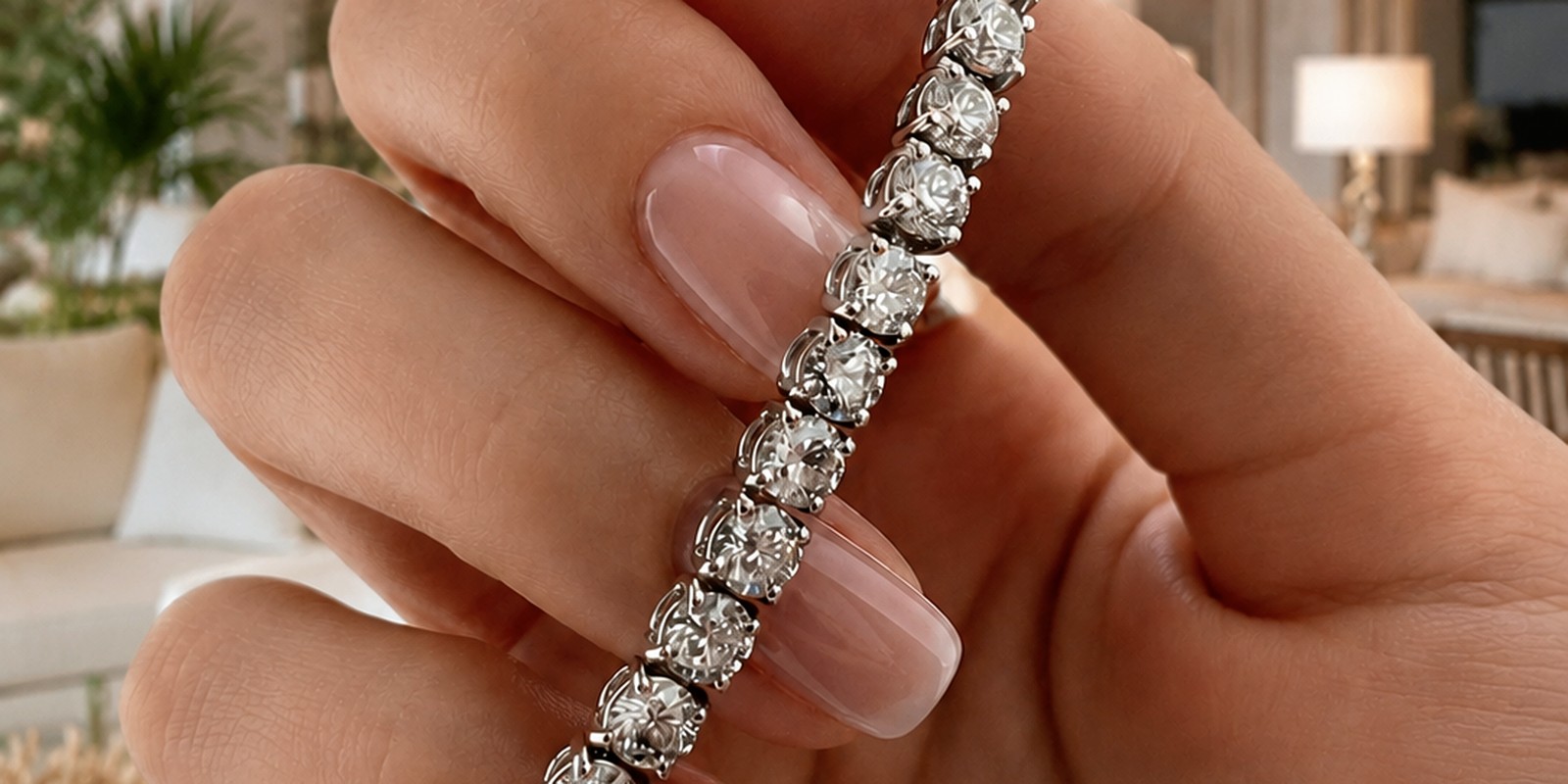
Each circle is exactly the size a single stone has in the image beside it. The way from 1 to 12 carats is a difference in character rather than quantity, and it starts at a millimetre and a half.
1.35 mm
2.00 mm
2.40 mm
2.65 mm
2.85 mm
3.16 mm
3.32 mm
3.47 mm
3.80 mm
4.10 mm
4.26 mm
4.30 mm
The two settings
The two settings
Why these two? Over my career I have seen every way of building one, going back to my father and my grandfather. These two are what remained: the most elegant, the best, the essence of a classic tennis bracelet, a rivière, as an unbroken line of diamonds has always been called. Both carry the same stones. The difference lies in the metal underneath, and in the way the line sits around the wrist. Both are secure.

Rivière
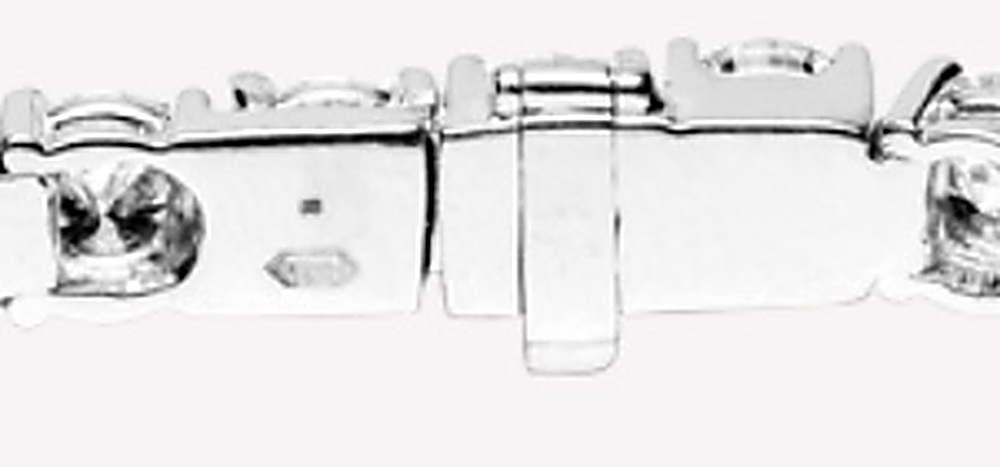
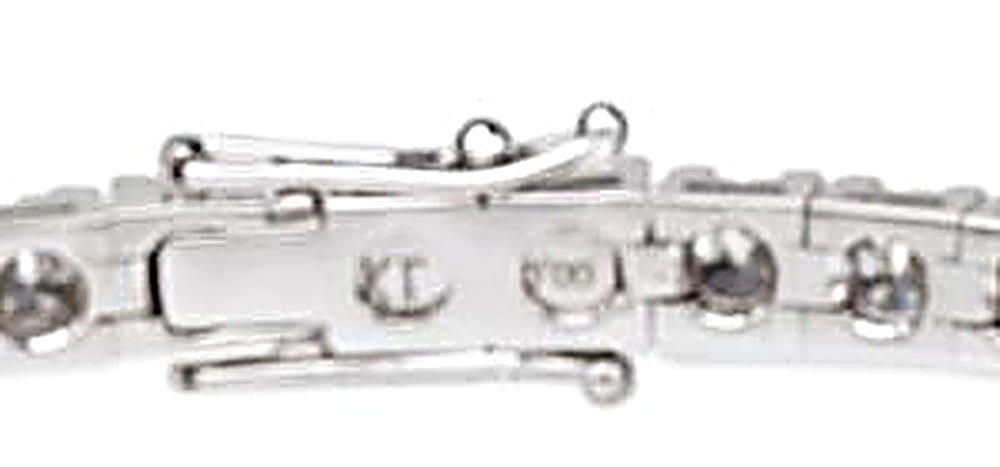
To my eye this is the more elegant of the two, there is more movement in it. Four narrow claws per stone and nothing else: the metal steps back behind the stones, the line runs almost without interruption and follows the wrist. Clasp with a hinged safety flap.

Ligne
Here the stones read a little larger, and the construction is a touch sturdier: each stone in its own closed box, a wider bridge between the links. Clasp with two safety catches. This is perhaps the one for eternity.
Qualities
The three qualities
German trade grades, with the international GIA scale behind them. All three are eye-clean to near eye-clean. The difference lies in the whiteness and the price, not in visible inclusions.
Wesselton SI H · SI1–SI2 € 34,600
Top Wesselton VS F–G · VS1–VS2 € 37,800
River VVS D–E · VVS1–VVS2 € 44,900
Clasp
Clasp
Both bracelets are set all the way round, the back carries stones too, there is no dead side. The clasp sits within the line and is invisible from the front. Only the safety differs: Rivière has a hinged flap, Ligne two lateral safety catches. Neither opens on its own. Chris Evert would not have had to stop the match.
Price table
Price table
All prices in euro including VAT, as of today. Diamond and gold prices move; for a binding offer I calculate at the day's rate.
| Carat | Stones | Diameter per stone | Wesselton SI | Top Wesselton VS | River VVS |
|---|---|---|---|---|---|
| approx. 1 ct · exactly 0.98 ct | 98 | 1.35 mm | € 4,800 | € 5,100 | € 5,700 |
| approx. 2 ct · exactly 2.19 ct | 73 | 2.00 mm | € 10,600 | € 11,400 | € 13,200 |
| approx. 3 ct · exactly 3.30 ct | 66 | 2.40 mm | € 15,700 | € 17,100 | € 20,400 |
| approx. 4 ct · exactly 4.06 ct | 58 | 2.65 mm | € 19,300 | € 21,100 | € 25,200 |
| approx. 5 ct · exactly 5.13 ct | 57 | 2.85 mm | € 23,700 | € 26,600 | € 31,000 |
| approx. 6 ct · exactly 6.24 ct | 52 | 3.16 mm | € 28,800 | € 32,400 | € 37,800 |
| approx. 7 ct · exactly 7.28 ct | 52 | 3.32 mm | € 34,600 | € 37,800 | € 44,900 |
| approx. 8 ct · exactly 7.84 ct | 49 | 3.47 mm | € 37,100 | € 40,700 | € 48,700 |
| approx. 9 ct · exactly 9.20 ct | 46 | 3.80 mm | € 39,600 | € 47,800 | € 63,100 |
| approx. 10 ct · exactly 10.00 ct | 40 | 4.10 mm | € 42,700 | € 51,900 | € 70,100 |
| approx. 11 ct · exactly 11.31 ct | 39 | 4.26 mm | € 48,200 | € 58,800 | € 79,500 |
| approx. 12 ct · exactly 12.09 ct | 39 | 4.30 mm | € 56,000 | € 62,800 | € 82,200 |
| Carat | Stones | Diameter per stone | Wesselton SI | Top Wesselton VS | River VVS |
|---|---|---|---|---|---|
| approx. 1 ct · exactly 0.98 ct | 98 | 1.35 mm | € 6,500 | € 6,800 | € 7,400 |
| approx. 2 ct · exactly 2.19 ct | 73 | 2.00 mm | € 13,300 | € 14,100 | € 15,900 |
| approx. 3 ct · exactly 3.30 ct | 66 | 2.40 mm | € 18,900 | € 20,300 | € 23,500 |
| approx. 4 ct · exactly 4.06 ct | 58 | 2.65 mm | € 22,900 | € 24,700 | € 28,800 |
| approx. 5 ct · exactly 5.13 ct | 57 | 2.85 mm | € 27,000 | € 29,900 | € 34,300 |
| approx. 6 ct · exactly 6.24 ct | 52 | 3.16 mm | € 32,800 | € 36,400 | € 41,700 |
| approx. 7 ct · exactly 7.28 ct | 52 | 3.32 mm | € 38,800 | € 42,000 | € 49,100 |
| approx. 8 ct · exactly 7.84 ct | 49 | 3.47 mm | € 41,100 | € 44,700 | € 52,600 |
| approx. 9 ct · exactly 9.20 ct | 46 | 3.80 mm | € 43,600 | € 51,800 | € 67,100 |
| approx. 10 ct · exactly 10.00 ct | 40 | 4.10 mm | € 46,600 | € 55,800 | € 73,900 |
| approx. 11 ct · exactly 11.31 ct | 39 | 4.26 mm | € 52,200 | € 62,800 | € 83,600 |
| approx. 12 ct · exactly 12.09 ct | 39 | 4.30 mm | € 59,800 | € 66,600 | € 86,000 |
What sets an MXHM tennis bracelet apart
more
You can buy a tennis bracelet in a great many places. Some claim particular cuts, others compete on price. Building a good one takes three things: an eye, real craft, and a sense of what things ought to cost.
Where the argument is price, what arrives is a series piece in a standard length, chosen by no one, fitted by no one, with colour and clarity answered by a form.
Yet such a bracelet has to do two things at once: move and hold. Supple alone and it works loose, the links start to sit askew. Rigid alone and it lies on the arm like a bangle and never follows the wrist. Only the balance of the two makes the piece, and it does not arrive by itself. It is the result of fitting every single link.
Here a person buys the stones, and that person is me. I see the parcel before it is set, examine every stone on its own, and lay them so that the bracelet holds the same white from one end to the other. That is how you recognise a good line, and it is precisely what a form cannot do.
Then comes the step you notice immediately when it is missing: the setting. The stones must sit in line and true, each at the same height, each on the same axis. Let one tilt or drift and the bracelet flickers unevenly instead of running as one light. The difference is enormous and it rests with the setter. I have worked with the best of them for years.
The bracelet is made for your wrist rather than to a standard length, in about two weeks, and if it does not sit right, that is settled within a few days. There is no group behind MXHM, only me. What you pay goes into the stone and into the workshop, not into shop-window rents, marketing departments or brand premiums. And what is in it is written down. At the great houses, nothing is.
For him
For him
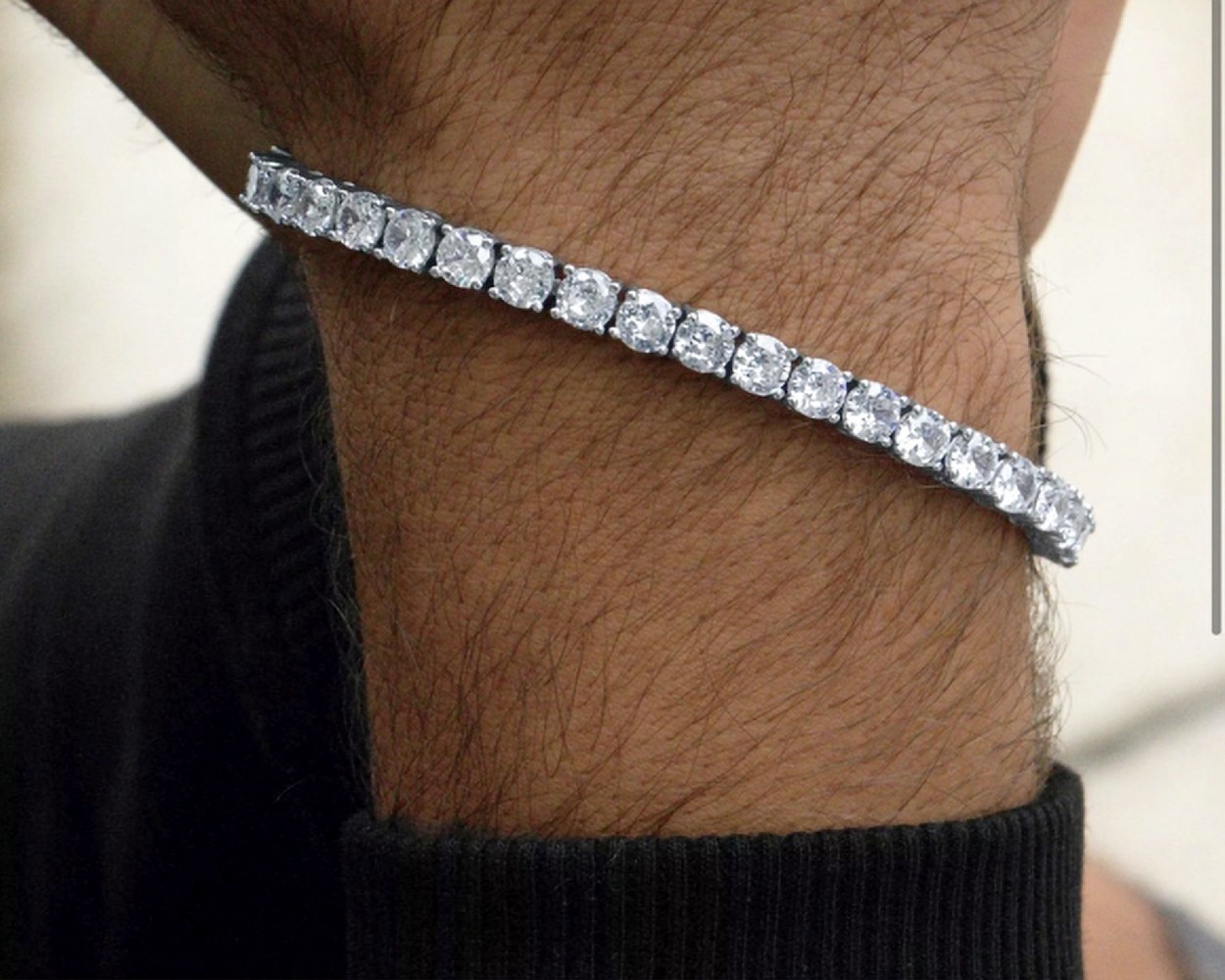
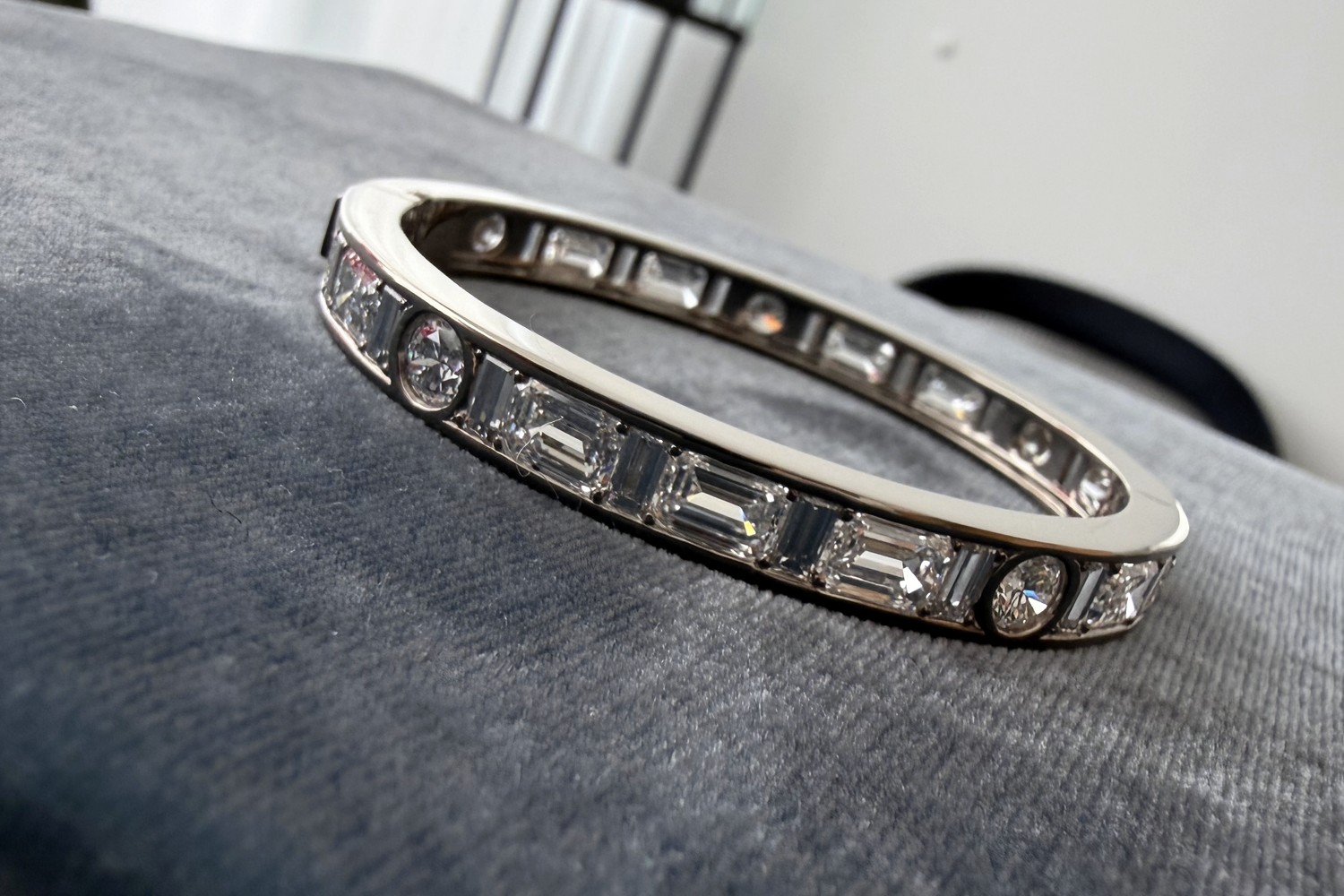
A man's wrist changes the arithmetic: more circumference, so more stones for the same presence. As a rule it starts where hers ends: from around 7 carats upwards, the stronger setting, 19 to 21 centimetres. For something less classic there are fancy shapes: baguettes, emerald cut, radiant. The same principle, a different light.
Questions
Frequently asked questions
The questions I am asked most often about white tennis bracelets.
What does a white tennis bracelet cost?
How many diamonds does a seven-carat tennis bracelet have?
What do River, Top Wesselton and Wesselton mean?
How do you recognise a well-made tennis bracelet?
Why does MXHM offer only two settings?
What is the difference between the Rivière and Ligne settings?
How large are the individual stones?
What length is a tennis bracelet?
Can the length be adjusted afterwards?
How long does it take to make?
Why is it called a tennis bracelet?
Are the prices binding?
Something else in mind?
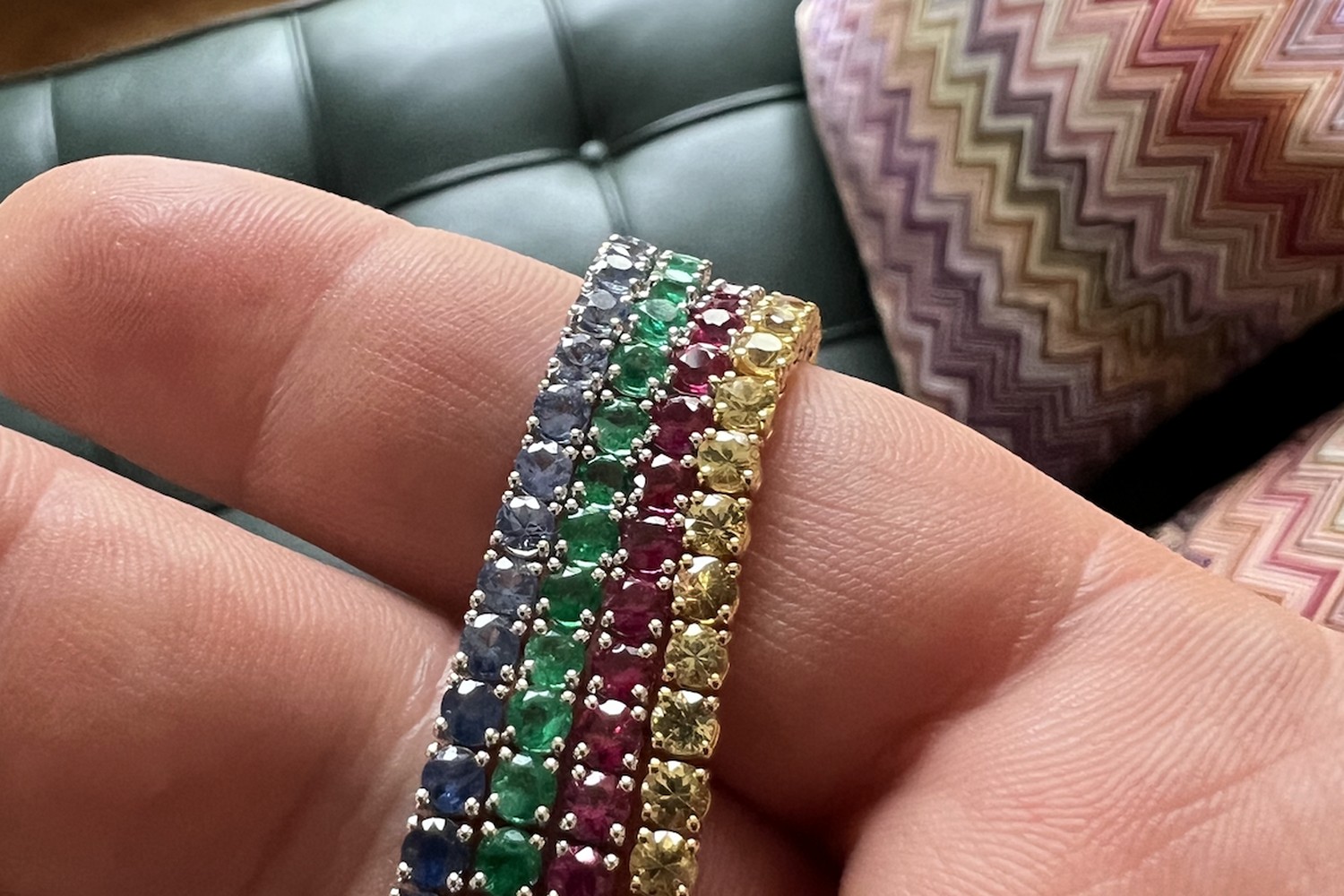
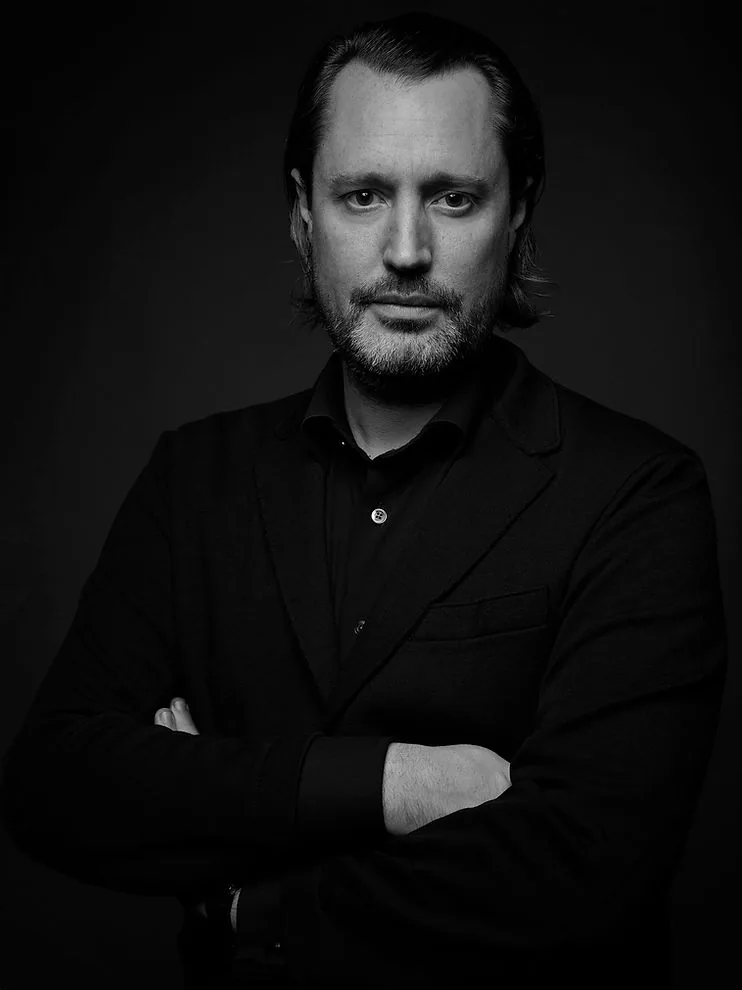
A different length, fancy shapes, baguettes, a gradient into white, a bracelet for him. Tell me what you have in mind. I buy the stones personally and at the day's rate.

Maximilian Hemmerle von Heckel
You are writing to a small, personal team, and usually to me directly.