
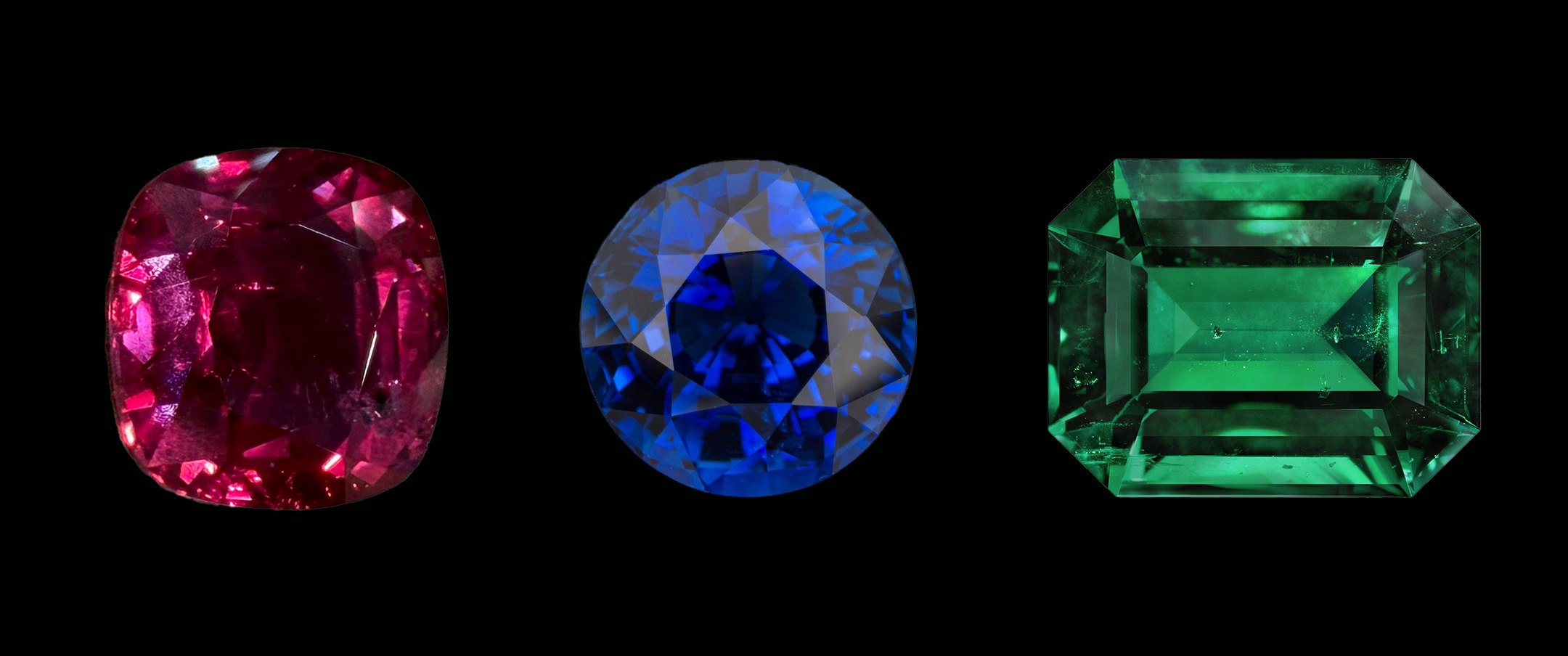
Gold has multiplied in value over the past twenty years, and anyone can look up the price. For fine coloured gemstones there is no price to look up. There are auction results, dealer prices and the experience of those who have been buying for decades. What they show is quieter, more discreet and invisible to most investors: the finest stones have become a great deal more expensive over the same period.
I do not say this as a sales argument, and it is not investment advice. I say it because I have lived it.
The anecdote that changed everything
Some years ago I bought a gold ETF. Gold, supposedly the most solid, most tangible investment in the world. My plan was simple: if the price fell, I would have the gold delivered. I am a jeweller. I can work with the material.
When I tried to get hold of my gold, I discovered there was no way to do so. The fund was registered in Australia. There was no one to contact. There was no gold that anyone could have sent me. Only a number on a screen.
Five stones that have become more expensive
What follows are documented auction results and my own observations from more than twenty years in the gemstone trade. I deliberately give no average annual return: there is no index for coloured gemstones, and a record for a single stone says nothing about the development of all the others. What can be said is a pattern, and that pattern is clear enough.
Ruby: the most valuable coloured gemstone in the world
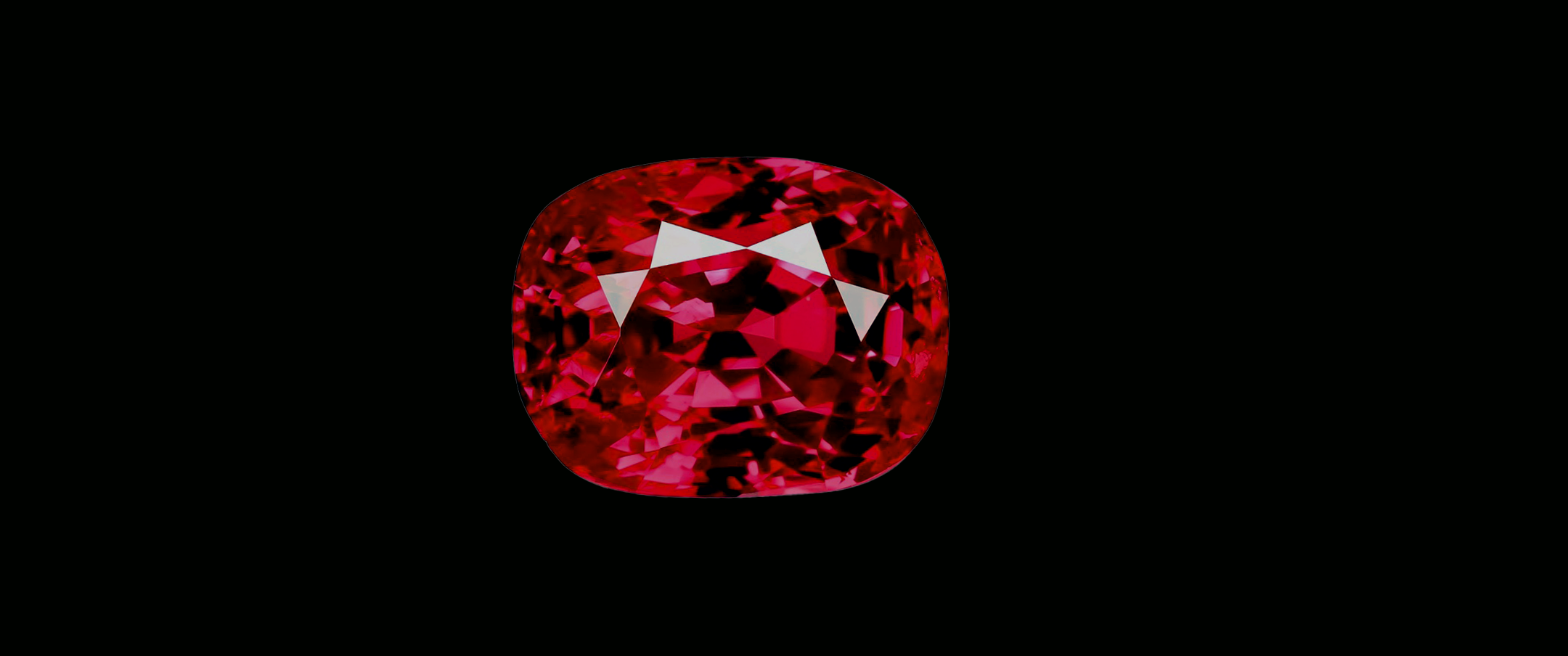
No coloured gemstone achieves higher prices per carat. Burmese rubies of “pigeon blood” quality, that deep, luminous red with a faint hint of blue, are the standard against which every other ruby is measured. Untreated stones of this class above three carats are traded today at prices that would have been unthinkable twenty years ago.
The highest price ever paid for a coloured gemstone, however, did not go to a Burmese stone: on 8 June 2023 the “Estrela de Fura”, an untreated ruby of 55.22 carats from Montepuez in Mozambique, fetched $34.8 million at Sotheby's in New York (source: SSEF). The record shows one thing above all: Mozambique has arrived in the top segment. It says nothing about mining in the Mogok Valley. Rarity alone does not determine the price. Quality, demand and the price at which a stone actually finds a buyer are just as decisive.
Emerald: the rarest green in nature
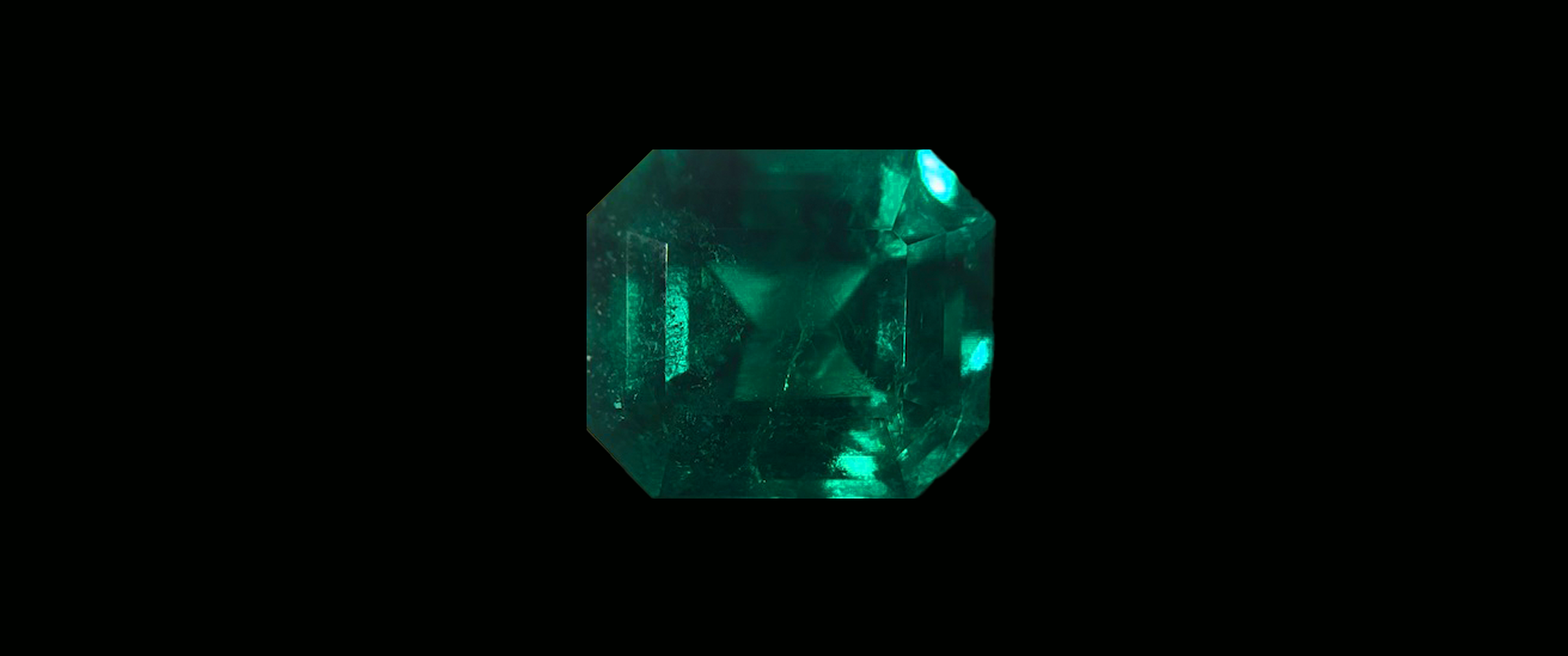
Colombian emeralds from the mines of Muzo and Chivor, with the characteristic “jardin”, that garden-like pattern of inclusions which connoisseurs prize, have been the reference for five hundred years. The Rockefeller Emerald, 18.04 carats from Colombia, fetched $5.5 million at Christie's in 2017, more than $300,000 per carat. The emerald market is calmer than the one for rubies, with fewer leaps and steady demand.
What makes emeralds special: their value depends heavily on origin and treatment status. An untreated Colombian emerald with a GIA or SSEF certificate sits in an entirely different price category from treated goods, and this is precisely where the expertise lies that makes the difference.
Sapphire and spinel: the quiet risers
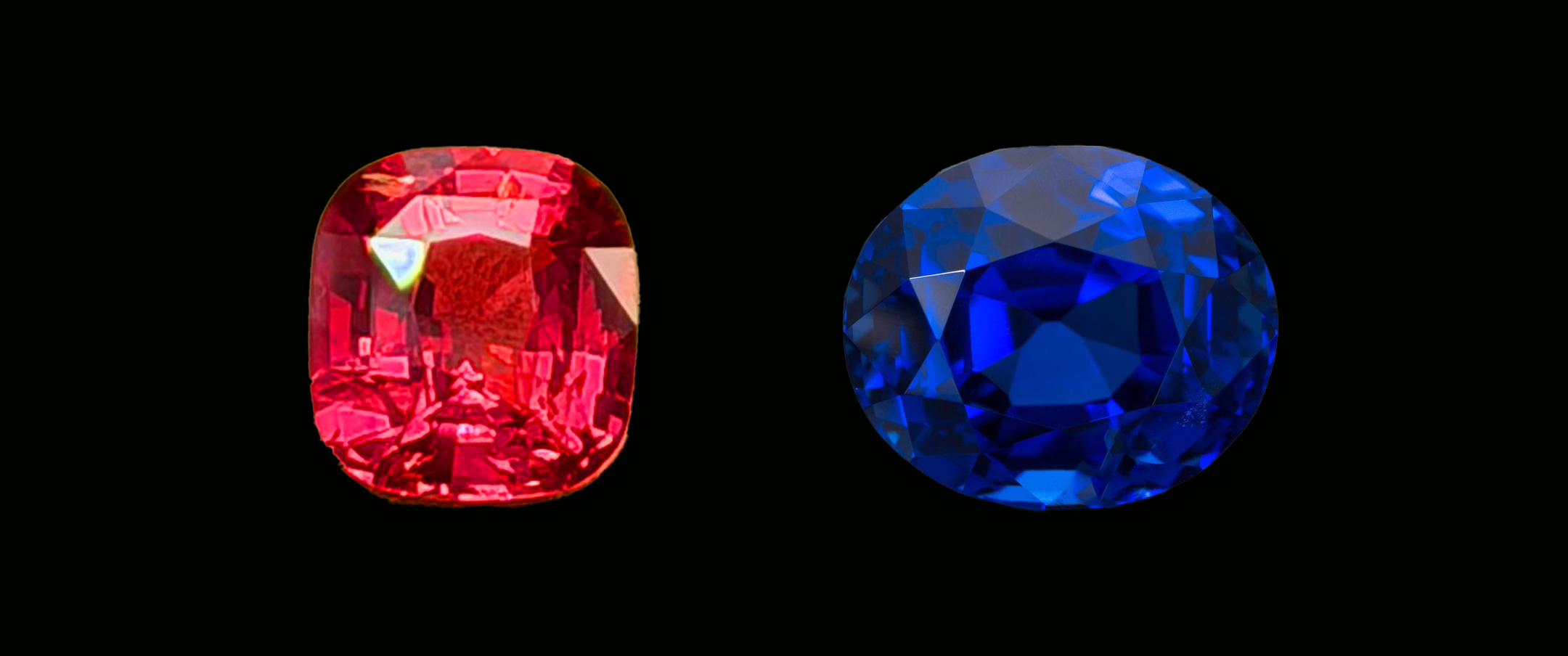
Kashmir sapphires, practically no longer mined since the 1930s, have become collectors' pieces that regularly fetch sums in the millions at auction. The sapphire market is the deepest among the coloured gemstones: more buyers, more comparable pieces, fewer surprises. Untreated Burmese and Ceylon stones of fine quality have become considerably more expensive over the past twenty years, without the leaps that ruby and Paraiba have made.
The real surprise, however, is the spinel. Only fifteen years ago it was a niche product even among jewellers. Since the discovery of the Mahenge deposits in Tanzania, with their unmistakable neon pink, that has changed fundamentally. Since the find of 2007, Mahenge spinels have gone from newcomer to a collectors' category in their own right, and prices for the finest stones have risen considerably over that time from a low starting level. The Burmese spinel known as the “Hope Spinel”, at 50.13 carats, fetched the equivalent of more than $1.4 million at Bonhams in London in 2015.
A personal anecdote
I remember a moment early in my career: a dealer laid red spinel drops on the table in front of me, each the size of a thumb. Deep, rich red with a fire that would make rubies envious. They were already expensive then, too expensive for me, as I told myself. Had I bought them, that one decision alone would have been worth more than much of what I have earned in business since.
Paraiba tourmaline: rarity redefined
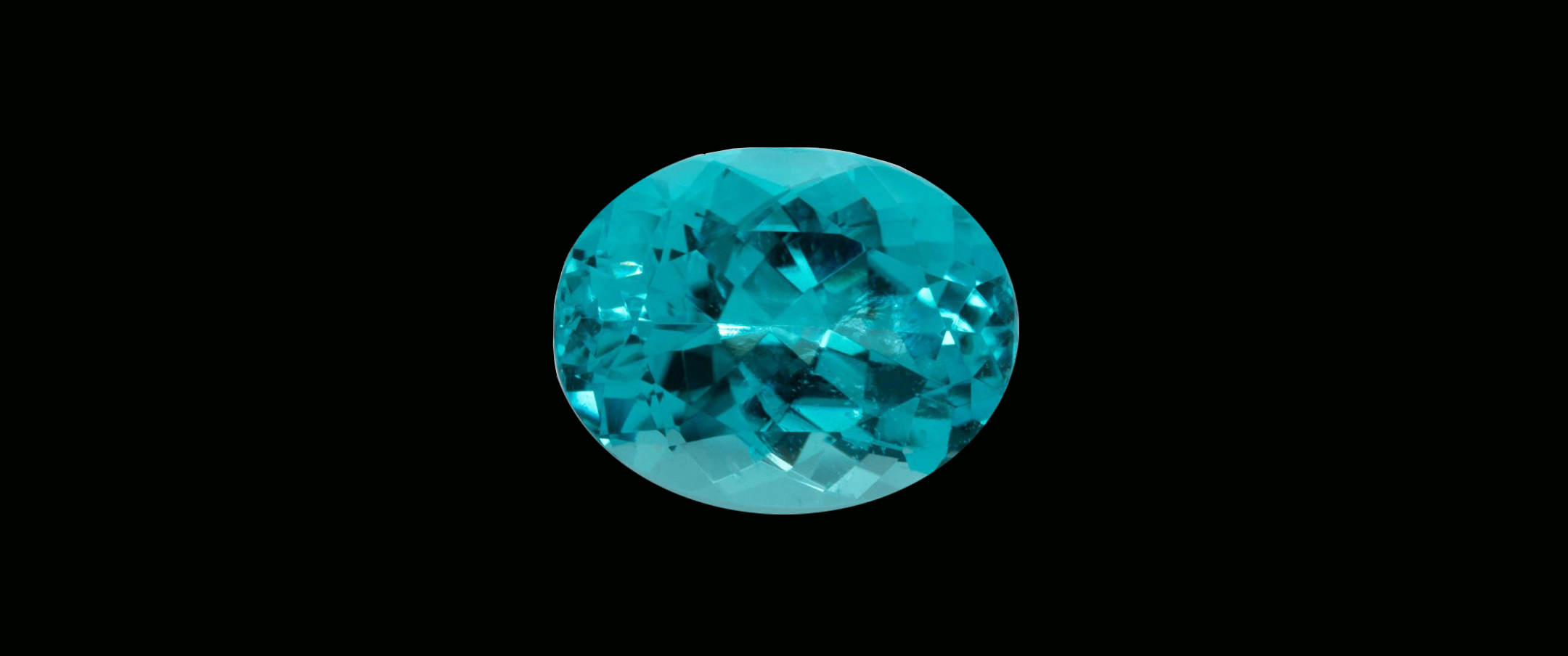
Discovered in 1989, almost exhausted, inimitable. Brazilian Paraiba tourmalines, with their electric neon blue that comes from traces of copper, have seen the steepest price development of all coloured gemstones: stones that cost a few thousand dollars per carat in the 1990s are traded today, in top quality, at five- to six-figure sums per carat. That is market observation, not a return that could be applied to every stone.
On 10 December 2025 a Tiffany & Co. necklace with a Brazilian Paraiba of 13.54 carats fetched $4.223 million at Christie's in New York, an auction record for a Paraiba. The price applies to the entire piece of jewellery with its diamonds and its signature, not to the loose stone. A price per carat can only be derived from it approximately.
What these results mean, and what they do not
Auction records are impressive, but they tell only half the story. They document what a single, exceptional stone achieved on one day, not what an average stone will be worth tomorrow. The other half is what sets gemstones apart from most asset classes:
They need no system. No server, no intermediary, no clearing house. A certified gemstone is what a gold ETF purports to be: a real, tangible value that fits in the palm of your hand. That does not make it immune to market cycles, but it does make it independent of the infrastructure that other investments need before they can be traded at all.
They are discreet. No entry in a land register, no public registration. A gemstone takes up no space and, properly declared, can be taken anywhere.
And they are beautiful. That sounds like a soft argument, but it is a hard factor: gemstones are not merely held, they are worn, admired, passed on. An asset one loves is not sold at the first dip in the market. That is not an argument about returns, but it is a reason why fine stones rarely come onto the market under pressure.
What matters
Most gemstones are not an investment but jewellery. For the few that can be more, four factors count:
Quality. Only stones in the very top quality tier come into consideration at all for the development described. An average ruby is not an investment stone; a Burmese ruby of pigeon-blood quality above three carats is.
Certification. GIA, SSEF, Gübelin: the three leading laboratories offer independent reports on origin, treatment and quality. Without a certificate, one is buying blind.
Origin. A Burmese ruby can be worth ten times as much as a stone of comparable size from Mozambique. For coloured gemstones, origin is what appellation is for wine: the decisive context.
Advice. The gemstone market is not a transparent market. There are no Bloomberg quotes, no standardised trading. What there is are personal relationships with dealers, access to the sources and experience that cannot be googled.
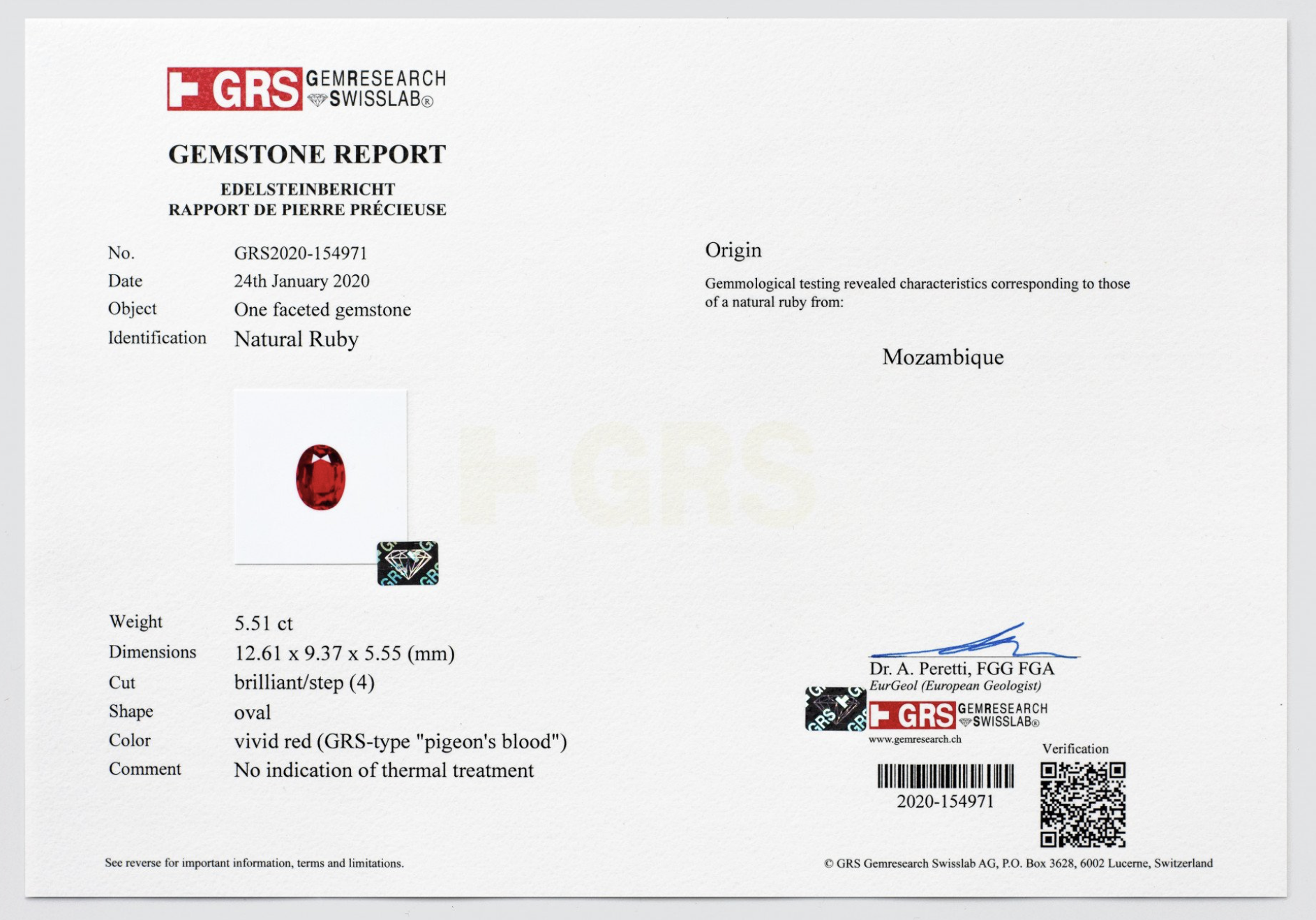
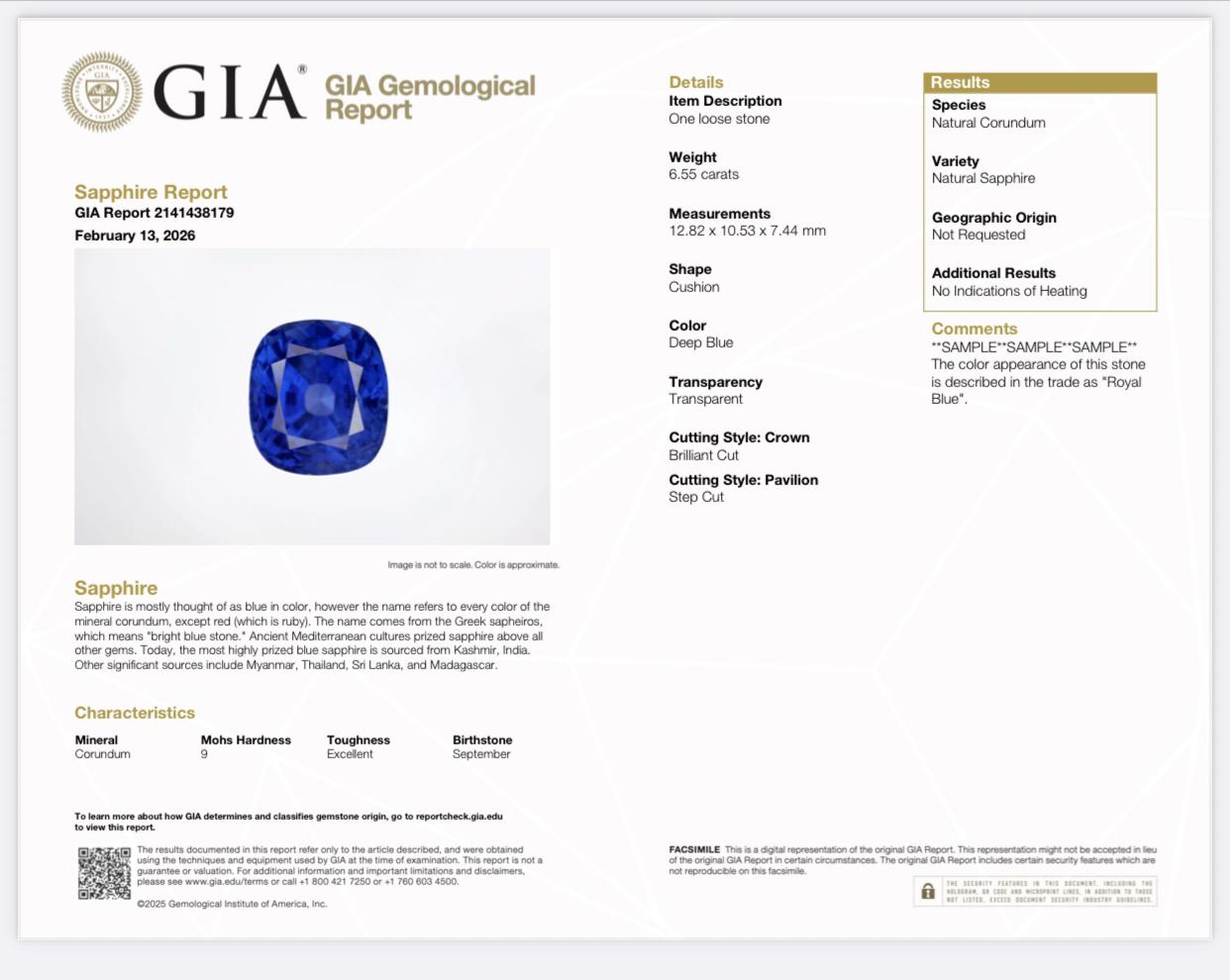
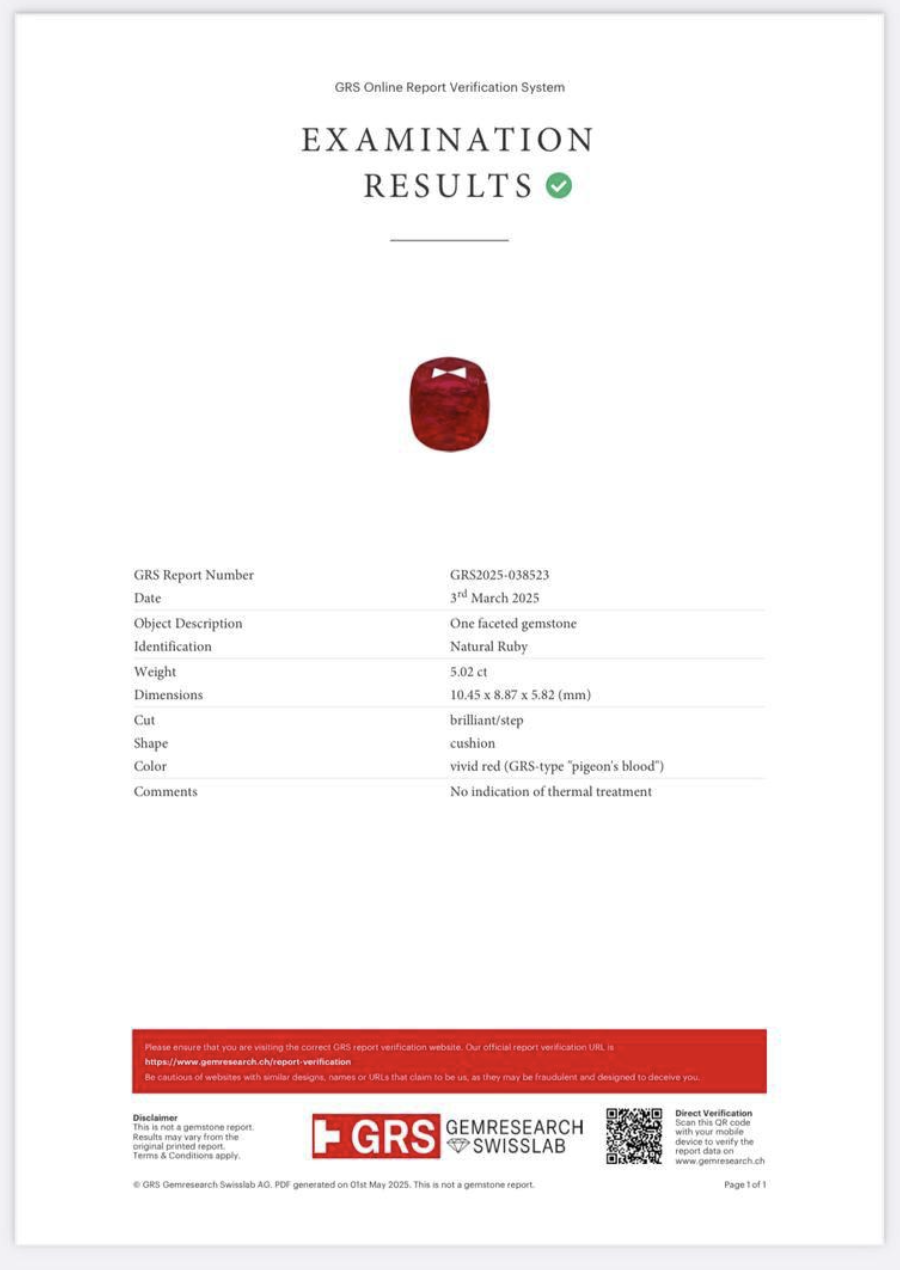
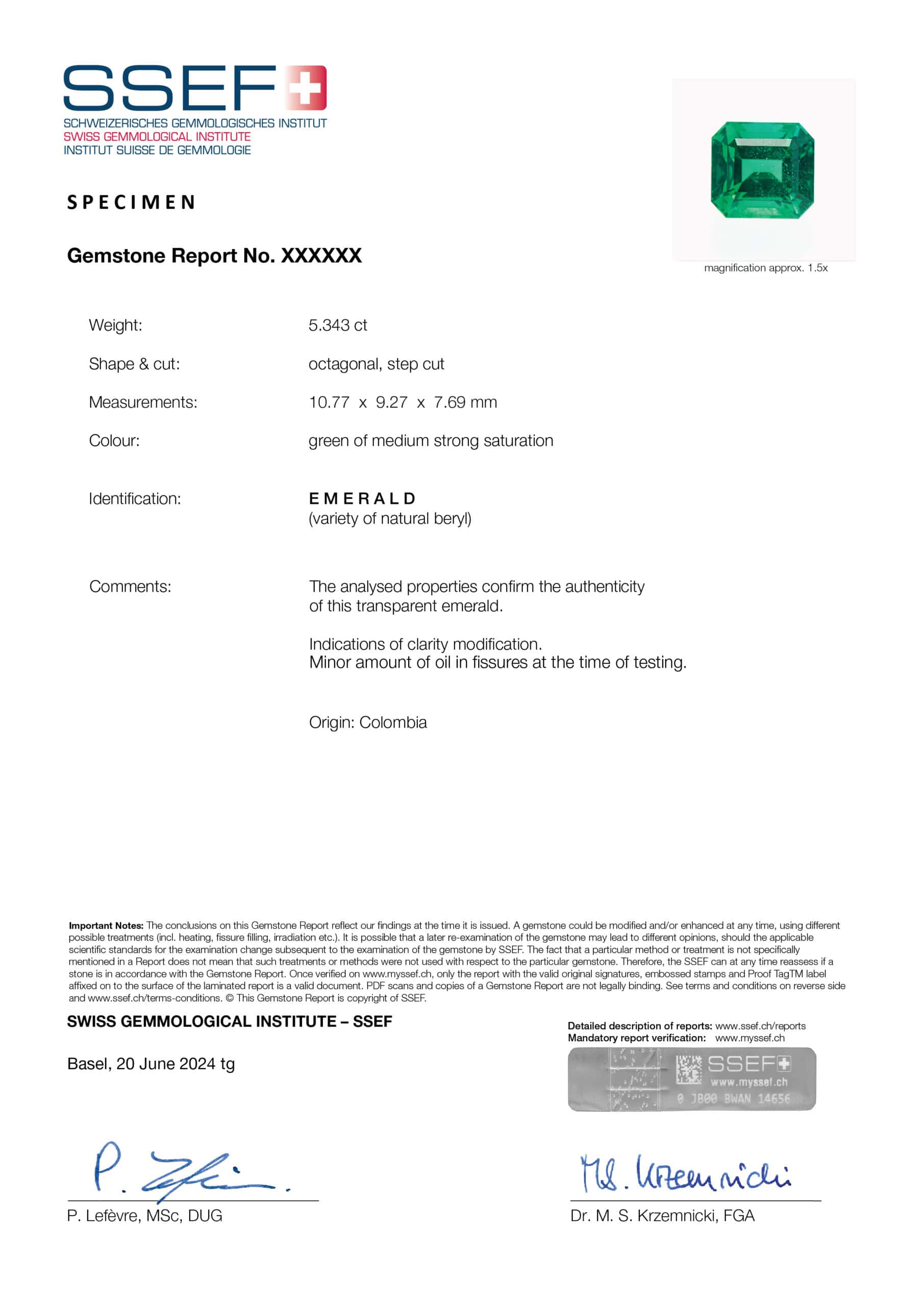
Independent certificates from GRS, GIA and SSEF document origin, treatment and quality.
A look back that points forward
When I was ten years old, a dealer at a gem fair showed me a Padparadscha sapphire, that rare variety whose colour lies somewhere between the pink of a lotus blossom and the orange of a sunset over the Indian Ocean. At the time, the stone might have cost five thousand marks (Deutsche Mark). A comparable stone would cost many times that today, from everything I see in the trade – an estimate, not a valuation.
I never got it. But to this day I know exactly what it looked like. And I know what it taught me: that rarity, beauty and time together create something no algorithm can replicate.
If you are thinking about gemstones as part of your portfolio, or are simply curious what a stone can do that one can admire and pass down at the same time, then let us talk about it.
Not as a sales pitch. As a conversation between connoisseurs.