
The FAZ recently ran the headline: the diamond market is in crisis. Prices are falling, lab-grown diamonds are being overproduced, investors are pulling out. What the newspaper does not say, but makes quite clear between the lines, is that a market is in the middle of reorganising itself. And that some stones will come out ahead while others disappear.
What the FAZ reported
The article painted a clear picture: diamond prices have fallen by up to 40 per cent. The reasons are well known. Lab-grown diamonds are flooding the market with cheap, endlessly reproducible goods. Investors who had counted on rising values withdrew. Several major players in the diamond trade lost a great deal of turnover.
What comes next is not collapse; it is a clearing-out. And for those who understand what matters, it is also an opportunity.
Understanding the market dynamics
Let us begin with what diamonds are: they are not fuel. They are not wheat. They are not interchangeable. A genuine, natural diamond of rare quality, substantial carat weight and clear provenance is subject to different economic laws than a lab-grown diamond.
One is a commodity. The other is an asset. One becomes cheaper the more of it exists. The other remains valuable precisely because there is only a limited quantity of it.
The distinction
When a "diamond" is on offer for €2,000 that cost €3,000 five years ago, the message is clear: this is not an investment stone, this is a commodity on clearance.
Outlook for 2025: what the FAZ did not write
The FAZ speculates that diamond prices could recover by up to 10 per cent in 2025. That is cautious, but probably not ambitious enough. Because the market is being cleared right now. The overproduction of inferior stones is being absorbed. What remains are the true qualities, the true rarities.
And there, in the segment of true quality, a new market will form. Not for the mass market; lab-grown diamonds have taken that over. But for those who understand that rarity and beauty together command a price that cheapness cannot undercut.
Coloured gemstones as the more stable alternative
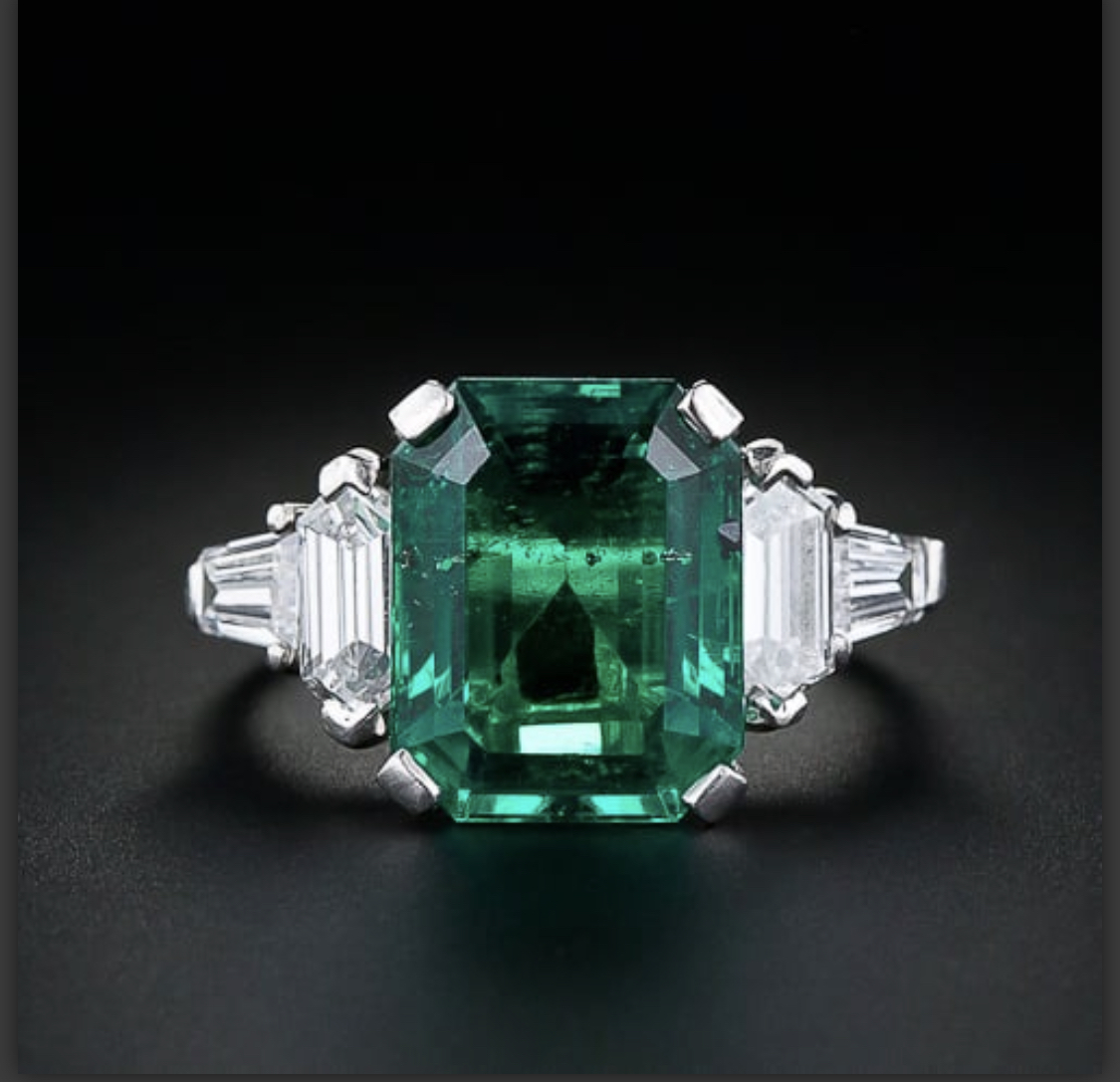
This is exactly why, in recent years, I have increasingly turned my attention to coloured gemstones as an investment. The coloured gemstone market is not in crisis; it is booming. Burmese rubies, Colombian emeralds, Paraiba tourmalines, Kashmir sapphires: these stones show what happens when genuine rarity meets consistent demand.
More stable prices. While diamond prices are falling, rubies and emeralds are rising steadily. That is not speculation; those are market forces responding to scarcity.
Less overproduction. No one can manufacture a Burmese ruby in a factory. The mines give what they give. That creates natural scarcity.
Better returns. A ruby bought in 2015 for €5,000 is worth €15,000 today. Those are measurable, reliable returns.
Antique diamonds: a quiet segment
Even less noticed, yet even more stable: antique diamonds. A brilliant from the early twentieth century, with the patina of time and the hand-cut facets of another era, has a value that does not depend on market prices. It is history. It is unique in its craftsmanship. It cannot be reproduced.
These stones never lose value. They gain it. Not through speculative price rises, but through what true rarities always do: they become rarer the older they get.
What this means for you
If you are thinking about gemstones as a way of building wealth, now is a good time, but with a clear eye. Avoid the diamonds on clearance. Concentrate on the stones that cannot become cheaper because they cannot be overproduced.
Ruby rather than diamond. Antique tradition rather than the modern mass market. Rarity rather than supply.
If you want to understand where the gemstone market is really moving, beyond the headlines, then speak with someone who lives in it.
We are here for you.