
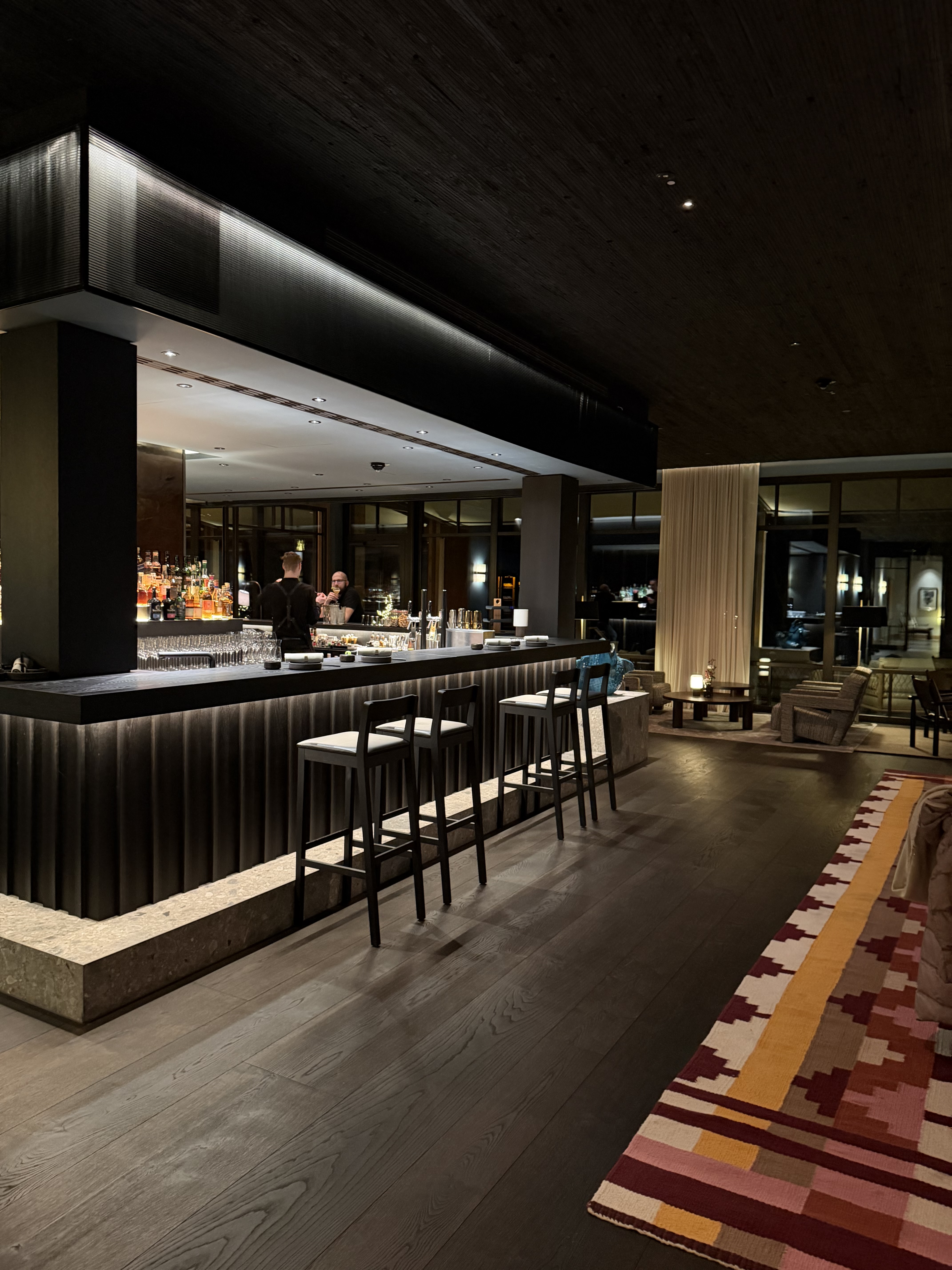
In Andreas Eschbach's novel „Der schlauste Mann der Welt" (The Cleverest Man in the World), the protagonist Jens Leunich lives permanently in luxury hotels. Everything he owns fits into two suitcases. His whole life is reduced to what truly counts. That image has stayed with me – not because of the minimalism, but because of a question it raises: what does it actually mean to feel truly welcome somewhere?
It is a question that accompanies me. As a guest in hotels around the world. And as someone who is a host himself – if in a rather different context. For what I do as a jeweller has more to do with hospitality than one might suspect at first glance. Anyone who follows me on Instagram may have seen the post in which I sit on the terrace of the Mandarin Oriental in Bangkok and talk about precisely this – about what connects good hosts and good craft.
It does not have to be five stars
I have slept in a great many hotels in my life. At the Chiemgauhof on Lake Chiemsee, where Matteo Thun's architecture gives you the feeling, already at dinner, of sitting inside a work of art – and where afterwards you could still walk barefoot down to the lake. In small guesthouses on the Ligurian coast, where the owner puts fresh focaccia on the table in the morning. At the Tenuta del Fontino in Tuscany, where the padrona cooks for her guests in the evening – three courses, no menu, no choice, only what the garden and the market yielded that day.
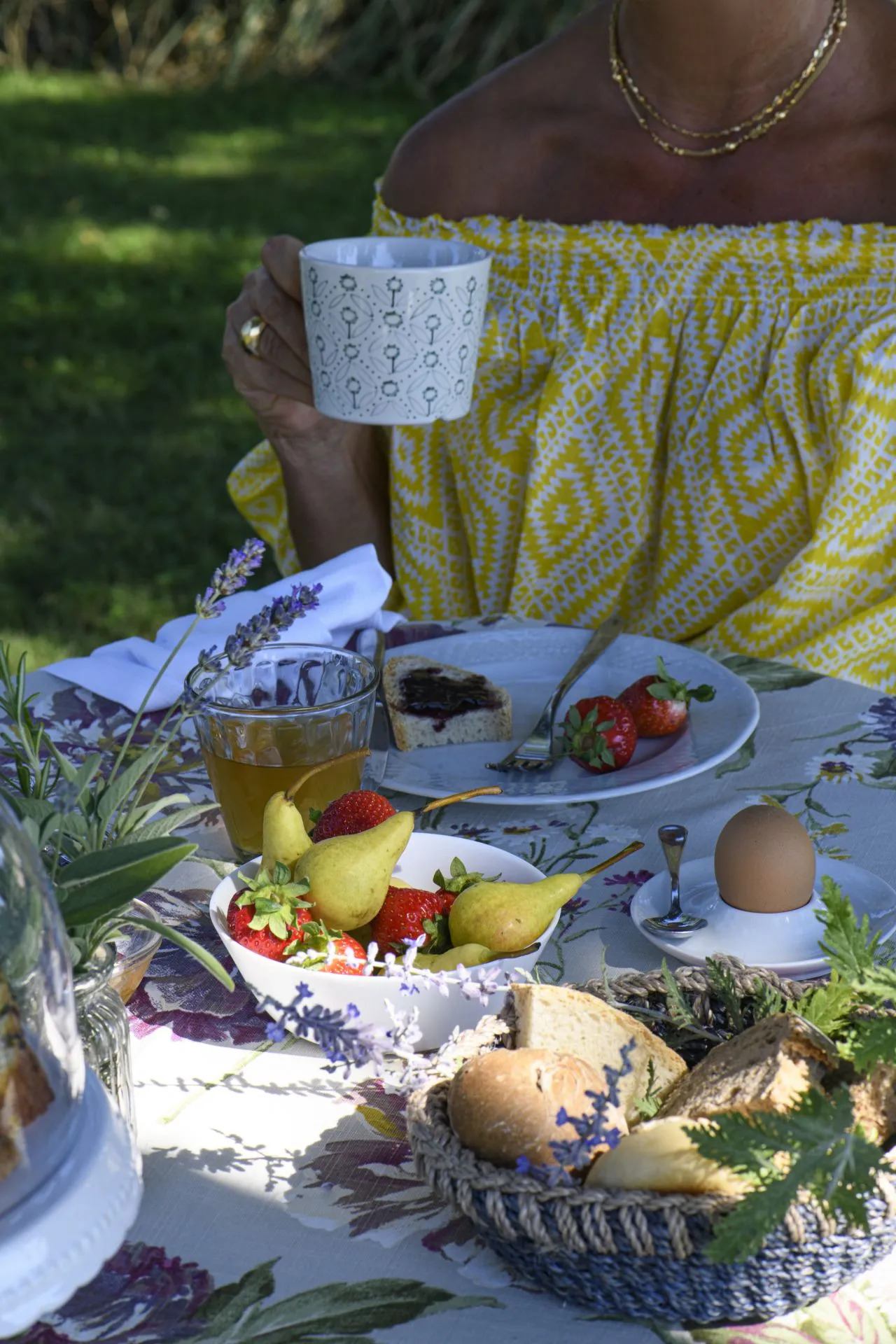
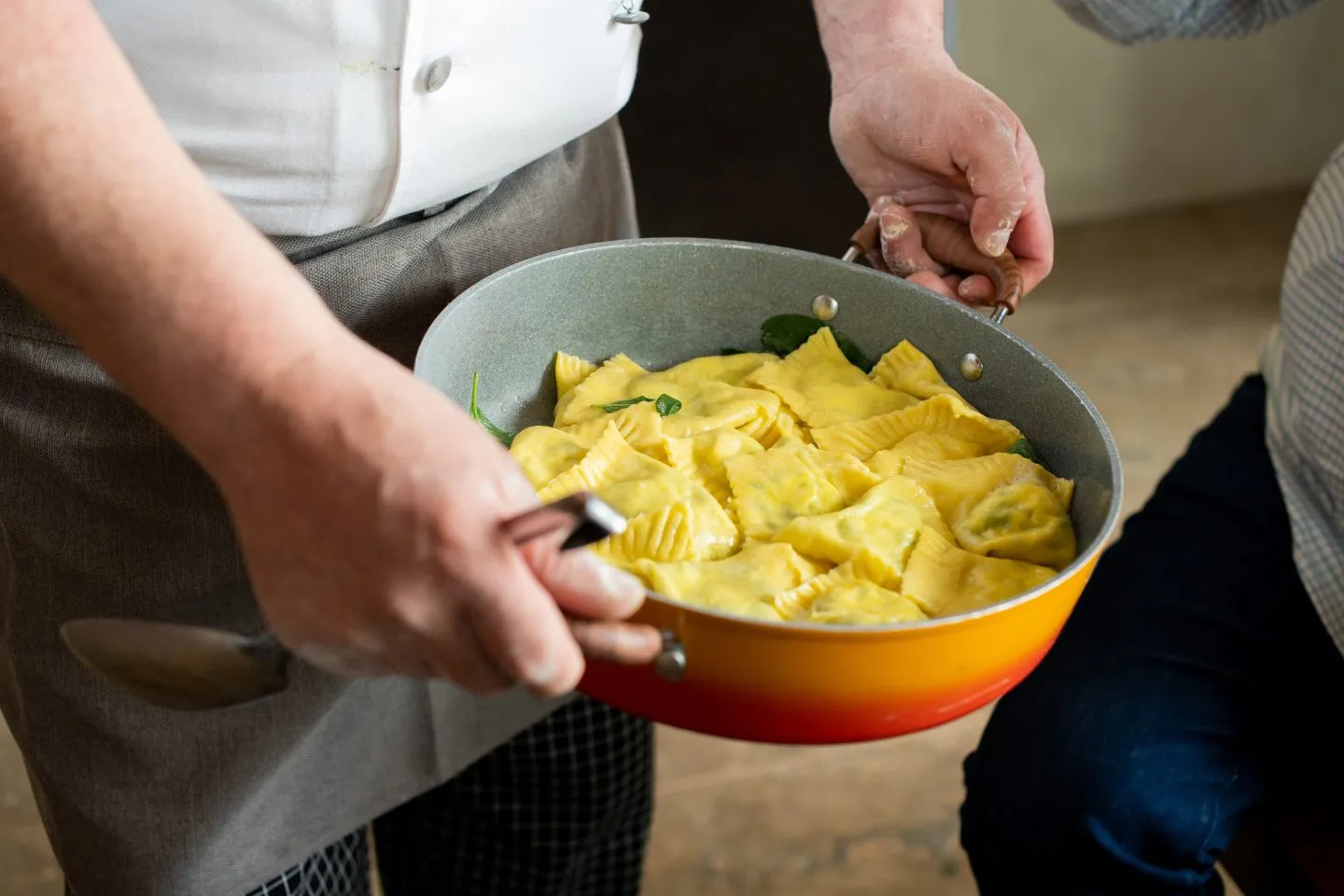
The remarkable thing: the moments I remember best rarely have anything to do with the star rating. It is not the marble that stays with you. It is the feeling of having arrived. Of being seen without being watched. Understood without having to explain.
At the Tenuta del Fontino it was the fact that the mother of the house had noticed my fondness for rosemary – on the second evening an extra sprig lay on my plate, without a word. At the Chiemgauhof it was the calm with which the waiter topped up the wine in the evening – at exactly the right moment, without my having to lift the glass. In a small hotel in Vienna it was the way they waved me off as I left – not briefly and dutifully, but for as long as it took me to disappear around the corner. A gesture so natural that it has stayed in my mind ever since.
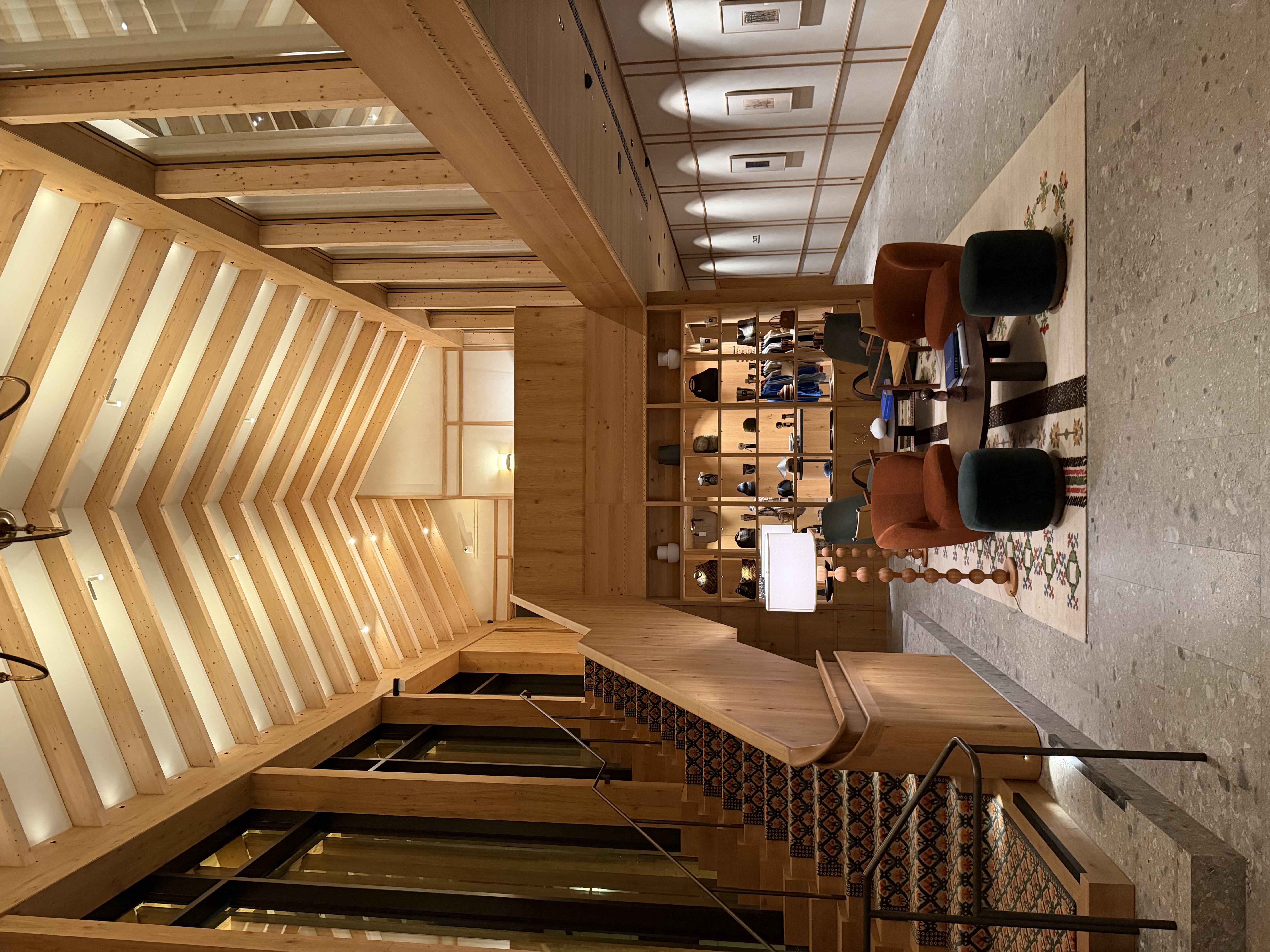
The invisible choreography
What distinguishes the best hotels in the world is not what you see – but what you do not see. The Ritz-Carlton has made a philosophy of this, one that fascinates me – as a trained sociologist who knows the sociology of hospitality, and as a designer who has inherited this feel for people over generations. Their motto is: „Ladies and Gentlemen serving Ladies and Gentlemen." It is a sentence that seems old-fashioned at first glance. At second glance it describes something deeper: a relationship between equals, mutual respect, no servility.
The Ritz-Carlton credo commits its staff to fulfilling „the expressed and unexpressed wishes of the guests." Unexpressed – that is the decisive word. It means reading the guest before he speaks. Knowing which newspaper he reads in the morning. Which coffee he drinks. When he leaves the room, so that housekeeping happens precisely then and he is not disturbed.
It is a choreography of the invisible. When a guest takes an apple from the fruit bowl, someone unobtrusively replaces it – not because there is a rule, but because the eye is paying attention. When a regular guest returns, they know his name, his preferences, his favourite drink. Not from a database, but because someone remembers. Because someone cares.
The three steps of good hospitality
The Ritz-Carlton has distilled its service culture into three steps that are compelling in their simplicity: a warm welcome, anticipating needs, and a fond farewell. No sales pitch, no upselling. Only the question: did this person feel at ease with us?
The same principle can be carried over to any context in which people meet one another – including jewellery.
And then there is the other side. The personal. The hostess at the agriturismo who cooks for you because it gives her pleasure. The owner of a riad in Marrakech who tells you how he turned his grandparents' house into a hotel. Genuine conversation, without ever seeming intrusive. The art of being present without imposing oneself. It is a fine line – and the best hosts walk it with a lightness that takes years to acquire.
What this has to do with jewellery
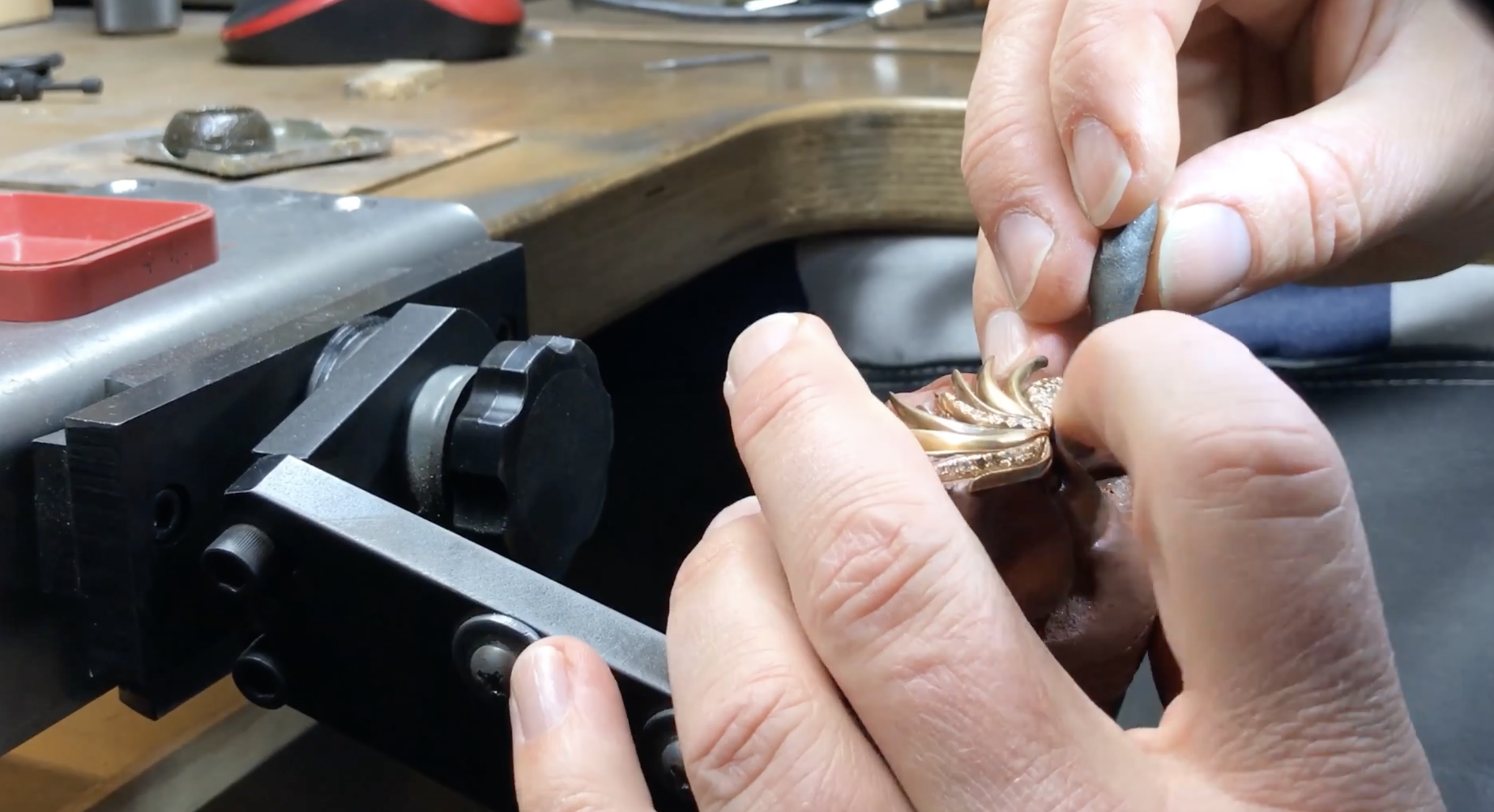
At some point I understood that my work as a jeweller is, at its core, the same thing: hospitality. Someone comes to me – often with a vague idea, sometimes with a specific occasion, sometimes simply with the wish for something special. My task is to see this person. To recognise who they are, what moves them, what suits them. Not what happens to be in fashion. Not what carries the highest price. But what is right.
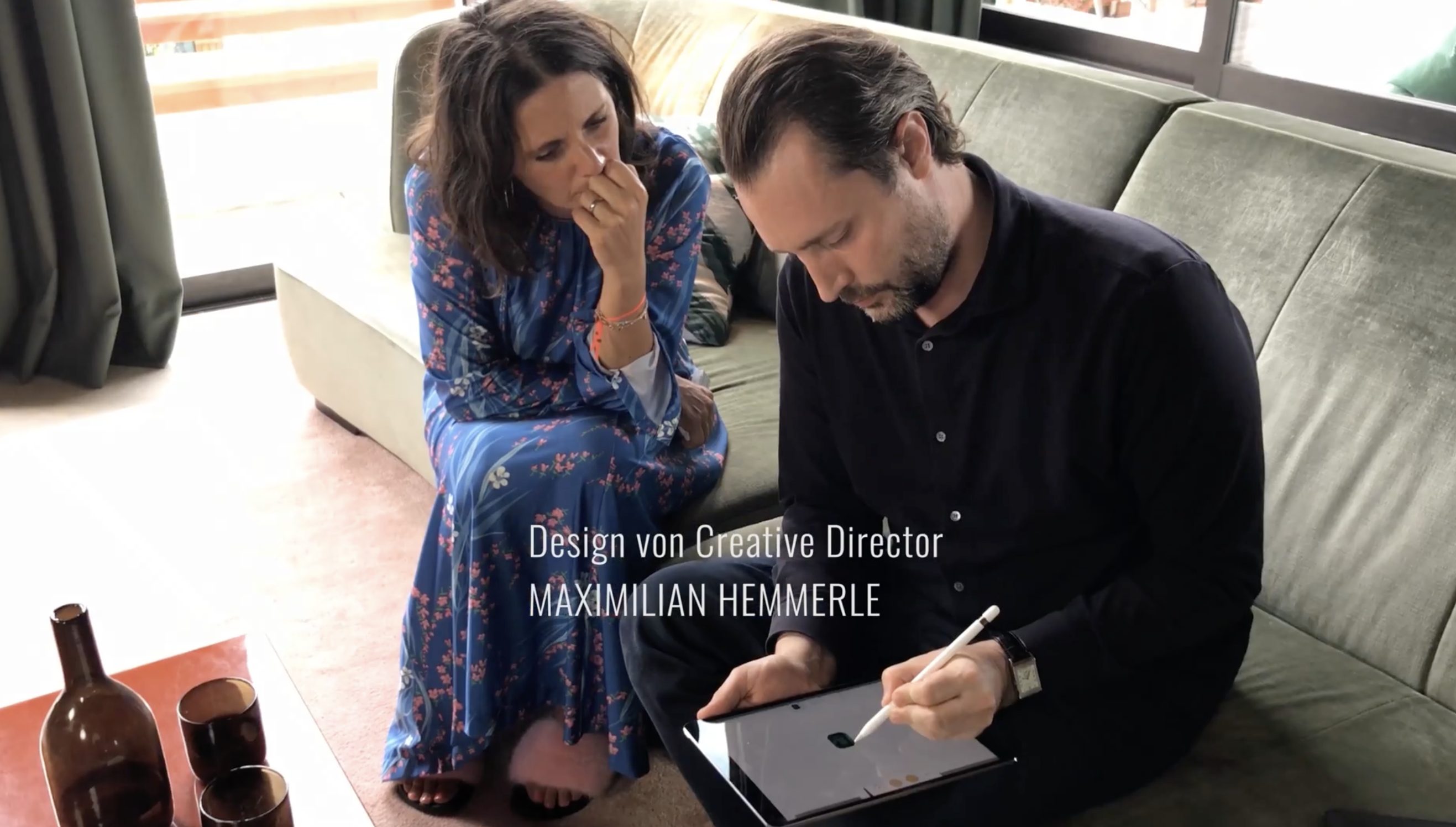
A good jeweller is someone who sees you. Who understands. Who can realise your wishes, including the unspoken ones. Who finds the right stones, knows how to compose them, and has mastered design. Who has the right master craftsmen at hand to turn the vision into reality. Who keeps to deadlines, to agreements, to budgets. Reliability is no side issue – it is the foundation.
When you invest so much – not only money, but trust, time, a personal story – then the result must not be something off the shelf. It may be something individual. Something that suits you, your personality, your life. And something that will still bring joy to the generations that follow.
Five generations of hospitality
My grandfather René Sim Lacaze was a jeweller on the Place Vendôme in Paris. My father Franz Hemmerle carried the tradition on in Munich. This tradition of craft has lasted five generations. What distinguished them both was not only their skill as designers – it was the way they dealt with people. They listened before they drew. They looked for stones that suited the person, not the market. They cultivated relationships that lasted for decades.
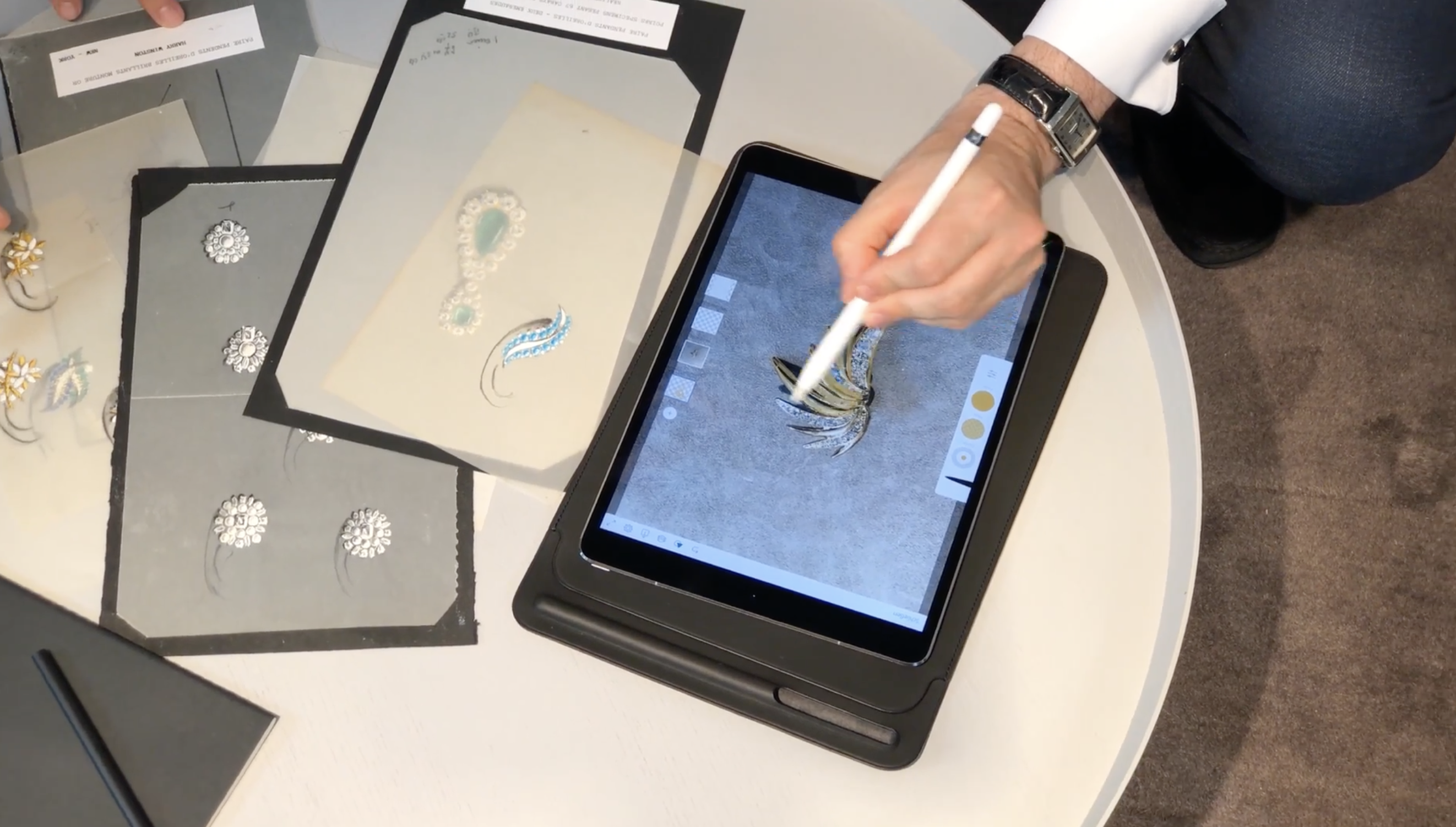
I carry this on. As the place to turn to in Munich if you are looking for the standards of the Place Vendôme in Germany – without the anonymity of a large maison. With me there is no showroom with glass cabinets and salesmen in suits. There is a conversation. A coffee. And the honest question: what do you really wish for?
It does not always have to be expensive
I make fifty to sixty pieces of jewellery a year with my clients. No more. I choose my projects deliberately – and my clients choose me. The result is a collaboration, not a transaction.
One week I am working on an engagement ring with a student who has saved for six months and knows exactly which stone he has in mind for his girlfriend. The next I am designing a gift with a board member who wants to give his wife something lasting for their wedding anniversary. And then I sit down with a successful entrepreneur who has wished for one very particular piece for years – a dream we translate into reality together.
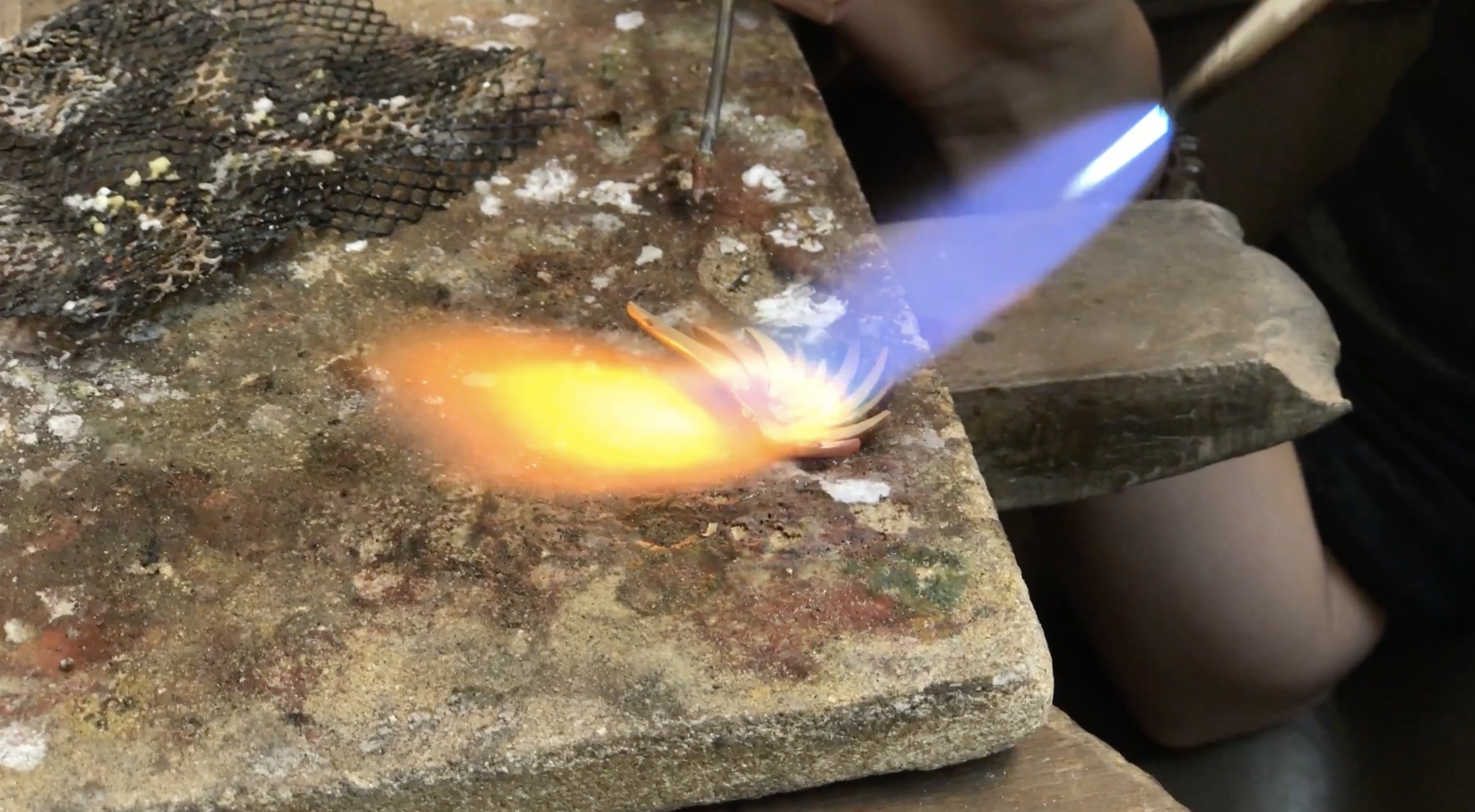
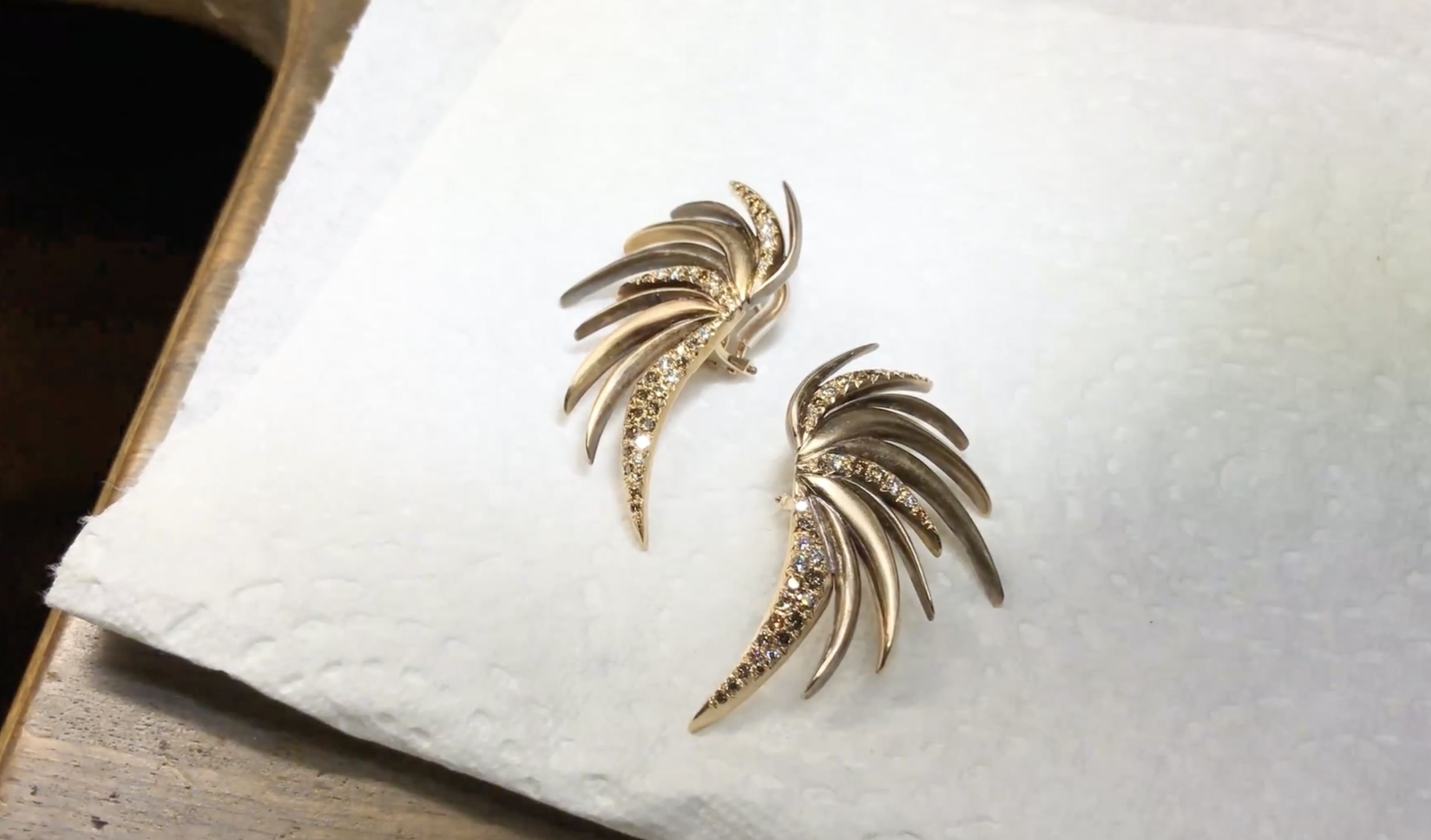
What connects these projects is not the budget. It is the feeling. The right mood. The values. I pay attention to what someone is really looking for – and sometimes that is something other than what they say at the outset. For me, creativity does not mean recommending the most expensive option. It means creating the best possible result with what is given. That is the point of being creative.
Sustainability as an attitude
There is one more aspect that connects hospitality and craft: thinking in long spans of time. A good hotel is not built for a single season. A good piece of jewellery is not made for a trend.
At MXHM, sustainability does not only mean that we use recycled gold or pay attention to ethically mined stones – although we do both. Above all it means: creating pieces that last. Pieces that do not vanish into a drawer because they no longer please five years on. Pieces that are worn, passed down and loved. A ring your granddaughter wears one day, and which is still right then – for me that is the most honest form of sustainability.
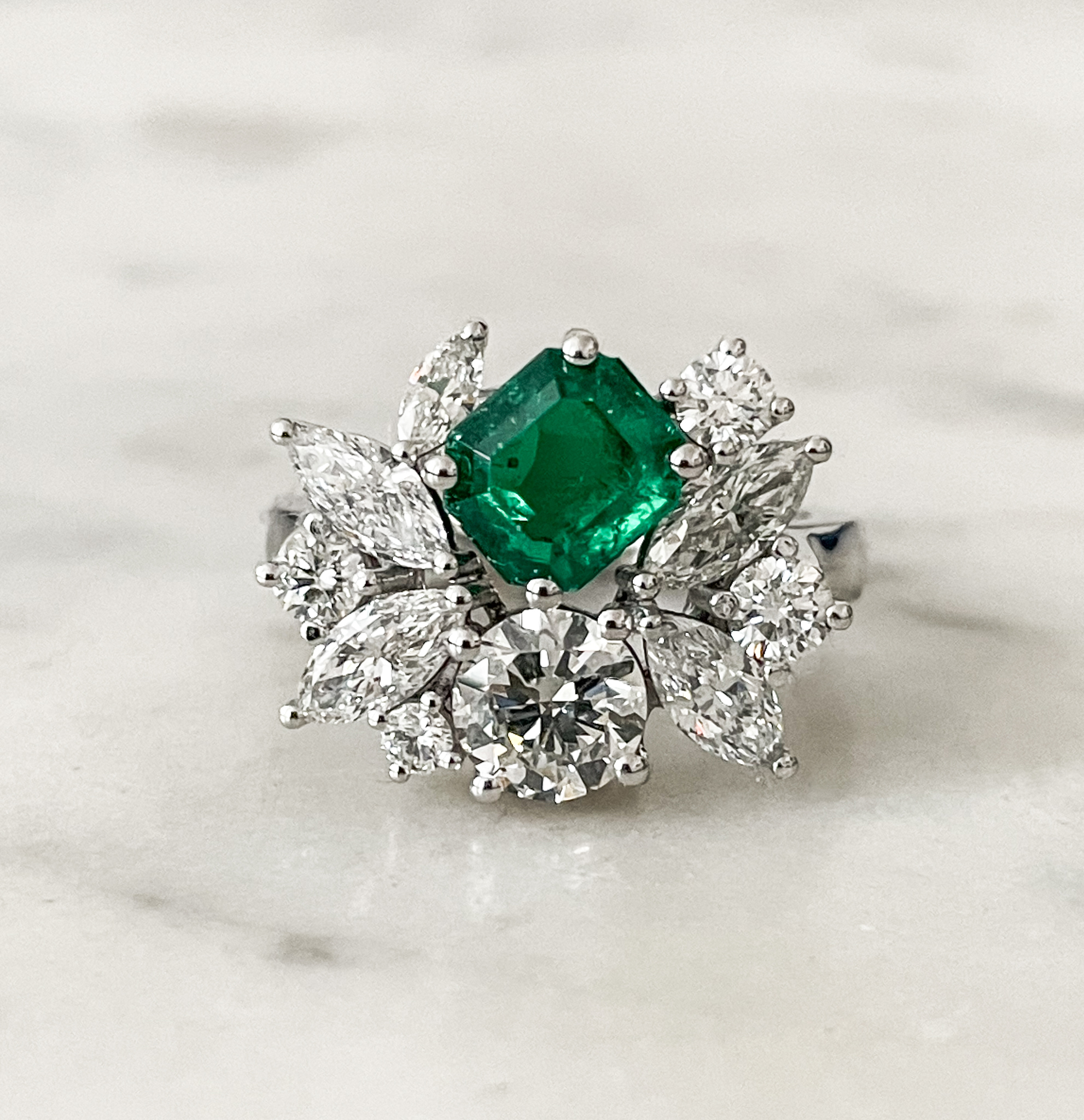
Savoir-faire – the French word for skill that my grandfather used so often – means exactly this: not only knowing how something is done, but also knowing why it is done that way. With what attitude. With what care. For whom.
Arriving
Jens Leunich, the hero of Eschbach's novel, spent his whole life in hotels and considered it the wisest decision he ever made. I believe what ultimately drew him was not the luxury. It was the feeling of being expected. Of there being someone who cares.
Creating that feeling – as a hotelier, as a host, as a jeweller – is not a question of star rating or price tag. It is a question of attitude. Of listening. Of genuine attention to the person sitting in front of you.
That is exactly what I try to do every day. No more, no less.
If you are curious about what working with me looks like –
I would be glad to talk. Preferably over a coffee.